Living in Beaverton, Oregon: Neighborhoods Compared
Pull off Highway 26 into Cedar Hills on a Saturday morning and you'll see what makes Beaverton different from the Portland neighborhoods everyone talks about. Families walk to Commonwealth Lakes Park. The Trader Joe's parking lot is full. Nobody is stuck in bridge traffic. This is the west side, over 100,000 people in Beaverton proper, closer to 200,000 when you count the unincorporated Washington County communities that feed into Beaverton schools. It is one of the largest suburban footprints in Oregon, and most people moving to Portland have no idea how it is organized.
I drove every neighborhood in Beaverton and the surrounding areas so you can see what each one actually offers. Some feel like Southwest Portland extensions with stately mid-century homes and walkable village centers. Others are newer master-planned subdivisions with HOA amenities and quick freeway access. A few are still filling in with new construction. The trade-offs are not obvious until you spend time here, so I am breaking down all 13 designated Beaverton neighborhoods plus the key unincorporated communities that most buyers lump together as "Beaverton."
If you are relocating to the Portland metro area and want a suburb with local schools, reasonable property taxes, and access to both the city and the west side corridor, Beaverton climbs to the top of a lot of lists. The question is which part of Beaverton fits your commute, your budget, and the neighborhood feel you are looking for.
Table of Contents
- Garden Home-Whitford: Affordable West Side Living Near Multnomah Village
- Raleigh Hills: Stately Homes and Classic Architecture on the West Side
- West Slope: Mid-Century Charm Blending Into Raleigh Hills
- Cedar Hills: One of the Biggest HOA Communities in the Portland Metro
- Central Beaverton: Walking Distance to Downtown Beaverton's Entertainment District
- Highland: Winding Streets and Suburban Feel Close to Downtown
- Greenway: Tree-Lined Streets and Fanno Creek Trails
- South Beaverton: Central Location With Quick Access to Tigard and Lake Oswego
- Which Beaverton Neighborhood Is Right for You?
- Conclusion
Garden Home-Whitford: Affordable West Side Living Near Multnomah Village
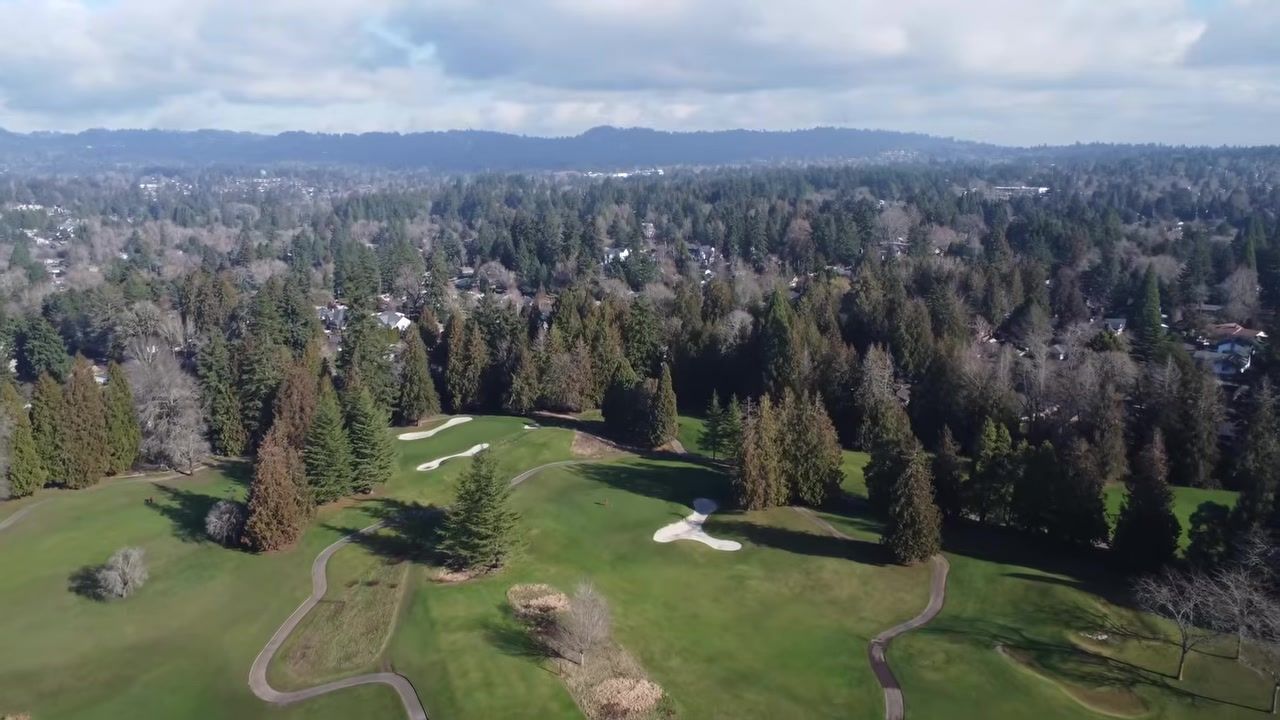
Garden Home-Whitford sits just over the county line from Portland in unincorporated Washington County. You get a Portland address, but you are not paying Multnomah County property taxes. That difference alone saves thousands of dollars a year, and it is one of the main reasons buyers look at this west side community when they want proximity to the city without the tax burden.
This area developed over the 1940s, '50s, and '60s as farmhouses on 5 to 10+ acre parcels were subdivided and filled in. You will see some newer homes scattered throughout, but most of the housing stock is older and well-established. The neighborhood is quiet and laid back. There is one primary intersection with a shopping center that recently added a Trader Joe's, which is a big draw for a lot of people.
You are close to Multnomah Village, a walkable Southwest Portland neighborhood with shops and restaurants. You are also close to downtown Portland, 12 to 15 minutes in most cases. Garden Home feeds into Beaverton schools, so you get the school district reputation and the lower Washington County tax rate. It does not carry the same premium as nearby Raleigh Hills or West Slope, which means you will find a little more affordability here overall.
Why Garden Home Appeals to Relocating Buyers
Garden Home-Whitford works for buyers who want to be on the west side of Portland without paying the full freight. You are not in the city limits, but you are not buried in suburbia either. The neighborhood is mostly residential with mature trees and established lots. There is not a lot of new construction, so you are buying into a community that has been here for decades.
Denny Whitford, just south of Garden Home across Scholls Ferry Road, has a very similar feel. It is technically within Beaverton city limits, but it blends right in with Garden Home. If you like one, you will probably like the other. Both offer that same quiet, unincorporated vibe with good access to Portland and the west side corridor.
Raleigh Hills: Stately Homes and Classic Architecture on the West Side
Raleigh Hills is one of the most sought-after communities on the west side of Portland. It is unincorporated Washington County, but it feels like a Southwest Portland neighborhood. Big wide open streets. Stately homes with classic architecture. A lot of pride of ownership. When people tour Raleigh Hills, they appreciate how well put together the neighborhood is, even if it does not end up being a perfect fit.
You have access to shopping and grocery stores along Beaverton-Hillsdale Highway. You have parks. You pretty much have everything you need on your doorstep. The homes are older, so there is potential for deferred maintenance, but the pride of ownership here is strong. Most places are well cared for.
Raleigh Hills is going to be more expensive than Garden Home and more expensive than a lot of Beaverton proper. It skews toward the higher end of the west side market. If you want that established, classic feel with proximity to Portland, Raleigh Hills is where a lot of buyers end up.
What to Expect in Raleigh Hills
The architecture is a big part of the appeal. You will see mid-century homes, some Tudors, some classic ranches. The lots are generous. The streets are wide and tree-lined. It feels like a neighborhood that has been here forever, because it has.
Raleigh West, just to the west of Raleigh Hills, is a natural extension with a little more consistent development. It gets overshadowed by Raleigh Hills itself, but it offers a very similar feel. If you are looking in Raleigh Hills, Raleigh West should be on your radar. The homes are older and well-established, and you get that same walkable, well-kept vibe. There is even a sneaky little taproom and food cart at the intersection of Scholls and Allen if you want a low-key spot to grab a drink.
West Slope: Mid-Century Charm Blending Into Raleigh Hills
West Slope blends right into Raleigh Hills. Some of West Slope is within Beaverton city limits, but most of it is unincorporated. Highway 217 cuts through the middle, and that freeway creates a dividing line. Inside 217, you feel more like Southwest Portland. Outside 217, you feel more like Beaverton proper.
The neighborhood has the same well-put-together feel as Raleigh Hills. Cool older architecture. A lot of mid-century homes. Pride of ownership. Beaverton-Hillsdale Highway and Canyon Road run through the area, so you have major arteries for commuting and access to shopping.
West Slope and Raleigh Hills are very similar in terms of price. You are going to pay a premium for this area compared to other parts of Beaverton. The homes are older, so there is potential for deferred maintenance, but most places are well cared for. If you like Raleigh Hills, you will probably like West Slope. They are essentially one and the same.
Why West Slope Feels Like Raleigh Hills
The two neighborhoods blend into each other so seamlessly that a lot of buyers do not distinguish between them. You get the same tree-lined streets, the same mid-century architecture, the same proximity to Portland. West Slope just extends that feel a little further west.
West Slope also blends into Cedar Hills across Highway 217. Cedar Hills is more consistent in its development, it was all built around the same time, but the transition from West Slope to Cedar Hills is smooth. You are still on the west side, still in Beaverton schools, still close to everything.
Cedar Hills: One of the Biggest HOA Communities in the Portland Metro
Cedar Hills is one of the biggest HOA communities in the Portland metro area. It is technically unincorporated, but you are right in the heart of Beaverton. This entire area was developed around the same time, so it has a very consistent feel. You have Commonwealth Lakes Park in the middle of the biggest development, which is a nice place to walk around.
You also have Cedar Hills Shopping Center and Cedar Hills Crossing, which used to be the Beaverton Mall. There has been so much development there in recent years, restaurants, shopping, a family fun center with a bowling alley and arcade, pickleball courts. There is so much to do at your doorstep. If you are in Cedar Hills, you do not have to go far for anything.
Cedar Hills climbs to the top of a lot of people's lists. It is very sought after. You are right in the heart of Beaverton with great access to shopping, schools, and the freeway. The HOA covers common areas and amenities, so the neighborhood stays well-maintained.
What Makes Cedar Hills Popular
The consistency is a big part of the appeal. This is not a neighborhood that was filled in over decades with different styles and eras. It was all developed around the same time, so the homes, the streets, and the amenities all feel cohesive. You know what you are getting.
Cedar Hills also blends with West Slope across Highway 217. A lot of West Slope and Cedar Hills feel very similar, especially on the Cedar Hills side of the freeway. You are still close to everything, still in Beaverton schools, still in a well-established neighborhood.
Central Beaverton: Walking Distance to Downtown Beaverton's Entertainment District
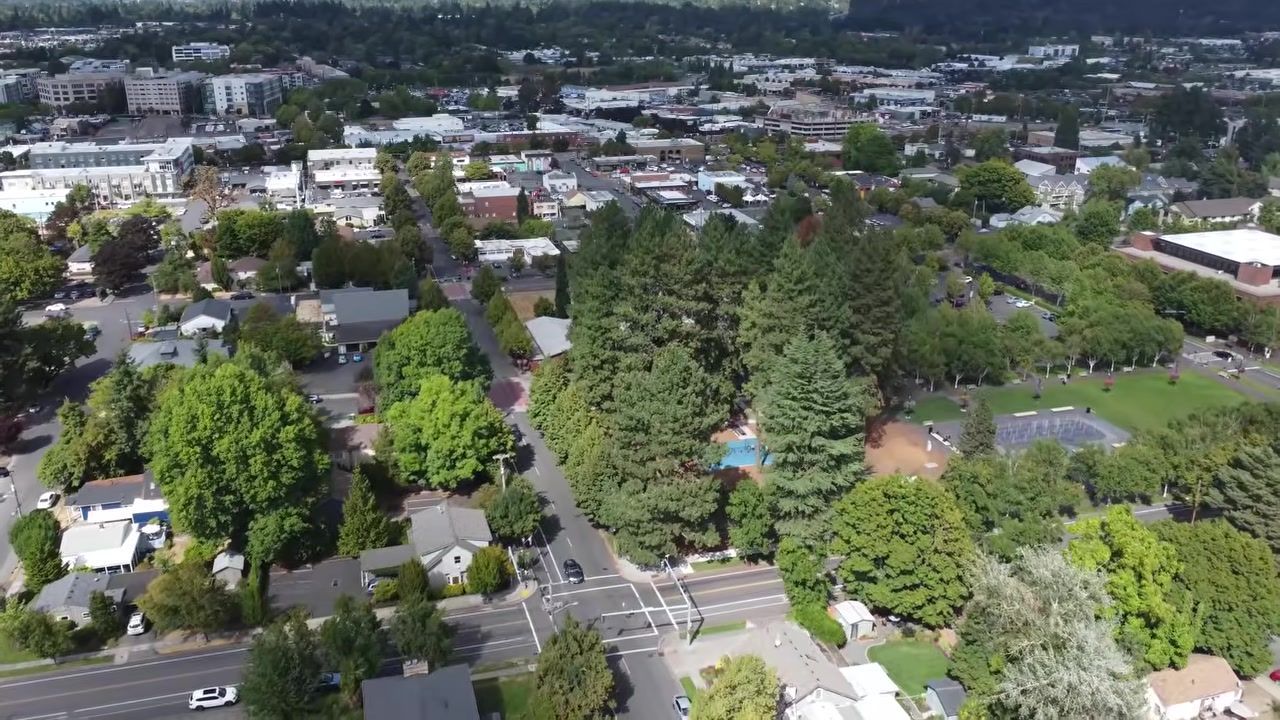
Central Beaverton and Vose are two neighborhoods right in the middle of Beaverton. You are basically in walking distance to downtown Beaverton, which has become a really popular entertainment district in the last 10 to 15 years. New restaurants and bars have opened. There are some boutiques. It is not a huge shopping area, but it is a cool spot that has turned over a ton.
Growing up in Beaverton, downtown was not a place you went for entertainment. Nowadays, it is an area that has become really popular. If you lived anywhere in Beaverton, you would probably find yourself getting downtown quite a bit.
What Central Beaverton and Vose Offer
Central Beaverton is the neighborhood abutting downtown. A lot of it is commercial, but some of it is residential. Pretty much anywhere in Central Beaverton, you can walk to downtown Beaverton. That is a big draw for people who want walkability and proximity to restaurants and bars.
Vose is just south of Central Beaverton, kind of on Allen Boulevard. It extends south of Allen a little bit. Vose has a very similar feel to Central Beaverton. Both neighborhoods have an up-and-coming vibe. There are a lot of rentals and a lot of multifamily. A lot of houses might need a little bit more work, but you also have houses on bigger lots, quarter acre, third of an acre pretty easily.
From an investment standpoint, I think there is a lot of opportunity for growth in Central Beaverton because of the homes that are there, the potential for redevelopment, and the proximity to downtown Beaverton. Downtown is quickly becoming everybody's favorite weekend spot, and Central Beaverton is right there.
Highland: Winding Streets and Suburban Feel Close to Downtown
Highland is south of downtown Beaverton, still very central in Beaverton. This is a proper suburban feeling neighborhood with winding streets, tree-lined streets, and cul-de-sacs. It is not laid out on a grid, which gives it a little more character.
Highland was developed in the 1950s through the 1980s. You will see some '50s and '60s homes, and then some '70s and maybe '80s homes as well. Highland has Highland Forest Park, a wooded area that might be 30 acres with walking paths. It is nice to have that on your doorstep.
Highland is one of these areas that gets overlooked quite a bit. It gets overshadowed by some of the more popular neighborhoods in Beaverton. But it is a really nice area. You are pretty close to downtown Beaverton, which is a big plus if you are going to be spending time there.
Why Highland Flies Under the Radar
Highland does not have the same name recognition as Cedar Hills or Raleigh Hills, but it offers a lot of the same suburban amenities. Winding streets. Tree-lined streets. local schools. You are just not paying the same premium.
The homes are not as big on average. You will not find too many 3,000+ square foot homes in Highland. The homes are older, but they are well-established. Because of that, you will get a little more affordability here. The price per square foot is going to be a little bit less, and the median sale price is going to be less too.
Greenway: Tree-Lined Streets and Fanno Creek Trails
Greenway is just south of Highland. You still have winding streets and tree-lined streets. You are a little bit closer to Highway 217, which is nice for freeway access. You are also right next to Washington Square Mall, which is not hard to get to from most areas of Beaverton, but Greenway is abutting it.
Greenway has Greenway Park going through the neighborhood. It is this long continuous park on Fanno Creek with walking paths and trails. There is a disc golf course in there. It is a nice amenity to have right in the neighborhood.
What Greenway Offers
Greenway is going to be very similar in feel to Highland. You have the same winding streets, the same tree-lined streets, the same suburban vibe. You are a little bit closer to the freeway, and you have Washington Square Mall right there, so shopping is convenient.
There are more apartments and more commercial development in Greenway compared to Highland, but the residential areas are well-established. You will get a little more affordability here compared to some of the more popular neighborhoods in Beaverton. The homes are older, and they are not as big on average, but the price per square foot is lower.
South Beaverton: Central Location With Quick Access to Tigard and Lake Oswego
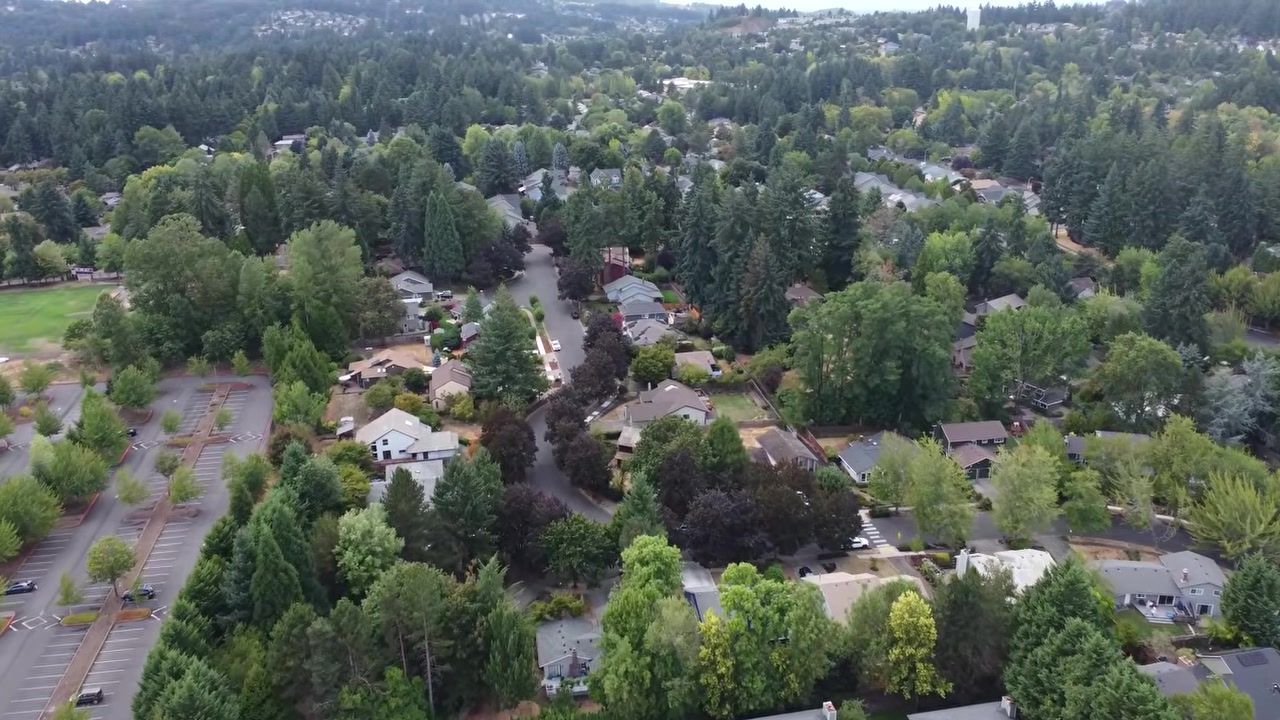
South Beaverton is south of Highland and Greenway. It has a very similar feel to both of those neighborhoods. Winding streets. Tree-lined streets. Proper suburban feel. You have Southridge High School in South Beaverton, and you also have Conestoga Rec Center, which is a big rec center right next to the high school.
South Beaverton is another one of these areas that gets overshadowed a little bit. It does not have the same name recognition as some of the more popular neighborhoods, but it is a really nice area. You are very centrally located on the west side. You have quick access to Tigard, Lake Oswego, and Tualatin. Your access to Highway 217 gives you pretty easy access to all of those areas.
Why South Beaverton Works for Buyers
South Beaverton is similar to Highland and Greenway in that you are getting a well-established suburban neighborhood without paying the premium of Cedar Hills or Raleigh Hills. The homes are older and not as big on average, but the price per square foot is lower. You will not find too many 3,000+ square foot homes here, and definitely not many 4,000 or 5,000 square foot homes.
But if you are looking for affordability and a central location on the west side, South Beaverton is a solid option. You are close to downtown Beaverton, close to the freeway, and close to other west side suburbs.
Which Beaverton Neighborhood Is Right for You?
Beaverton is not one place. It is 13 designated neighborhoods plus a handful of unincorporated communities that all feed into Beaverton schools. The trade-offs are not obvious until you understand how these areas group together.
Choose Garden Home-Whitford or Denny Whitford if you want to be close to Portland and Multnomah Village without paying Multnomah County property taxes. You get a Portland address, but you are over the county line. The neighborhood is quiet and laid back, and you will find a little more affordability here compared to Raleigh Hills or West Slope.
Choose Raleigh Hills or West Slope if you want stately homes with classic architecture and a Southwest Portland feel. These are the most sought-after communities on the west side. You are going to pay a premium, but you get big wide open streets, pride of ownership, and proximity to Portland. Raleigh West is a natural extension of Raleigh Hills with a little more consistent development.
Choose Cedar Hills if you want a big HOA community with tons of amenities right in the heart of Beaverton. You have Commonwealth Lakes Park, Cedar Hills Crossing with shopping and restaurants, and a family fun center with a bowling alley and arcade. Cedar Hills is very sought after and very consistent in its development.
Choose Central Beaverton or Vose if you want to be in walking distance to downtown Beaverton. Downtown has become a really popular entertainment district in the last 10 to 15 years. These neighborhoods have an up-and-coming feel, and there is opportunity for growth from an investment standpoint. You will find bigger lots here compared to some other areas.
Choose Highland, Greenway, or South Beaverton if you want a proper suburban feel with winding streets and tree-lined streets. These neighborhoods are very similar to one another. They are well-established, and you will get a little more affordability here. The homes are not as big on average, but the price per square foot is lower. You are close to downtown Beaverton, close to the freeway, and close to other west side suburbs.
Inside 217 vs Outside 217
Highway 217 creates a dividing line on the west side. Inside 217, you feel more like Southwest Portland. Outside 217, you feel more like Beaverton proper. That distinction matters if you are trying to decide between neighborhoods like West Slope and Cedar Hills, or if you are comparing Raleigh Hills to Central Beaverton.
North of Highway 26, you have areas like Bethany, Oak Hills, and Cedar Mill that feed into Beaverton schools but feel distinct. There are about 75,000 people in that whole zip code. Two high schools serve that area. These neighborhoods are newer and more master-planned compared to the older established areas inside 217.
Conclusion
Beaverton is one of the biggest suburban footprints in the Portland metro area, and it is not one neighborhood. It is 13 designated neighborhoods plus unincorporated communities that all feed into Beaverton schools. Some feel like Southwest Portland extensions. Others are newer master-planned subdivisions. A few are still filling in with new construction.
The trade-offs are not obvious until you spend time here. Garden Home-Whitford offers affordability and proximity to Portland. Raleigh Hills and West Slope offer stately homes with classic architecture. Cedar Hills offers a big HOA community with tons of amenities. Central Beaverton offers walkability to downtown. Highland, Greenway, and South Beaverton offer suburban feel with lower price per square foot.
If you are thinking about moving to Beaverton or the Portland metro area, I can help you figure out which neighborhood fits your commute, your budget, and the lifestyle you are looking for. Call or text 503-925-5645 or schedule a meeting here. We can talk through the next steps and make sure you land in the right place.
FAQ: Living in Beaverton Oregon
Is Beaverton part of Portland?
Beaverton is its own city with over 100,000 people in city limits. Some unincorporated communities on the west side of Portland have Portland addresses but are in Washington County and feed into Beaverton schools. You are not in Portland city limits, but you are close to Portland and you avoid Multnomah County property taxes.
What is the difference between Beaverton city limits and unincorporated Washington County?
There is no major tax difference between Beaverton city limits and unincorporated Washington County. The big difference is between Washington County and Multnomah County. If you are in Washington County, you get significant property tax savings compared to being in Multnomah County, even if you are just a mile or two over the county line.
Which Beaverton neighborhoods are the most affordable?
Garden Home-Whitford, Denny Whitford, Highland, Greenway, and South Beaverton offer a little more affordability compared to Raleigh Hills, West Slope, and Cedar Hills. The homes are older and not as big on average, but the price per square foot is lower. Central Beaverton and Vose also offer affordability with bigger lots and potential for redevelopment.
What is downtown Beaverton like?
Downtown Beaverton has become a really popular entertainment district in the last 10 to 15 years. New restaurants and bars have opened. There are some boutiques. It is not a huge shopping area, but it is a cool spot that has turned over a ton. If you live anywhere in Beaverton, you will probably find yourself getting downtown quite a bit.
Does Beaverton have local schools?
Beaverton School District covers over 20 square miles and serves over 100,000 people in city limits, closer to 200,000 including unincorporated areas. The district has multiple high schools, including Southridge, Westview, and Sunset. Verify current school information with the district when making your decision.
What is the commute from Beaverton to Portland?
From most areas of Beaverton, you can get to downtown Portland in 12 to 15 minutes, under 15 minutes in a lot of cases. Areas like Garden Home-Whitford, Raleigh Hills, and West Slope are closer to Portland. Areas like Bethany, South Cooper Mountain, and Sexton Mountain are further west, so the commute is longer, more like 20 to 25 minutes depending on traffic.
Oregon Relocation Team
Born and raised in the Portland Metro, we’re passionate about Oregon and its people. From beaches to deserts, mountains to valleys, we love helping others experience the beauty of our state. Ready to move to, from, or within Oregon? Let’s connect.
Recent Posts