

Inner Eastside Portland Real Estate: Why Buyers Are Still Competing

Oregon Relo Team - Seth & Paul • April 26, 2026

While headlines focus on Portland's broader market shifts, something different is happening on the inner Eastside. Walk through Southeast Portland or Northeast Portland on a Saturday morning and you'll see open house signs, contractors working on century-old homes, and buyers circling blocks they've been watching for months. The energy here feels distinct from the rest of the city.

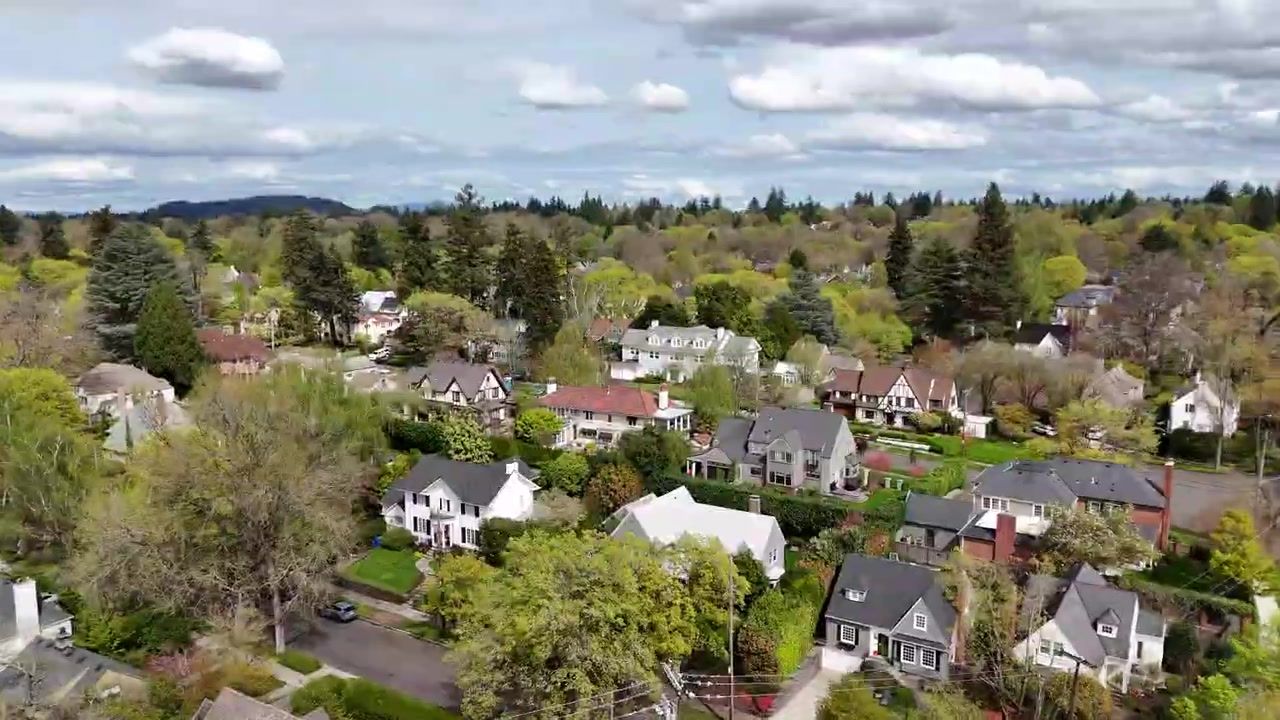
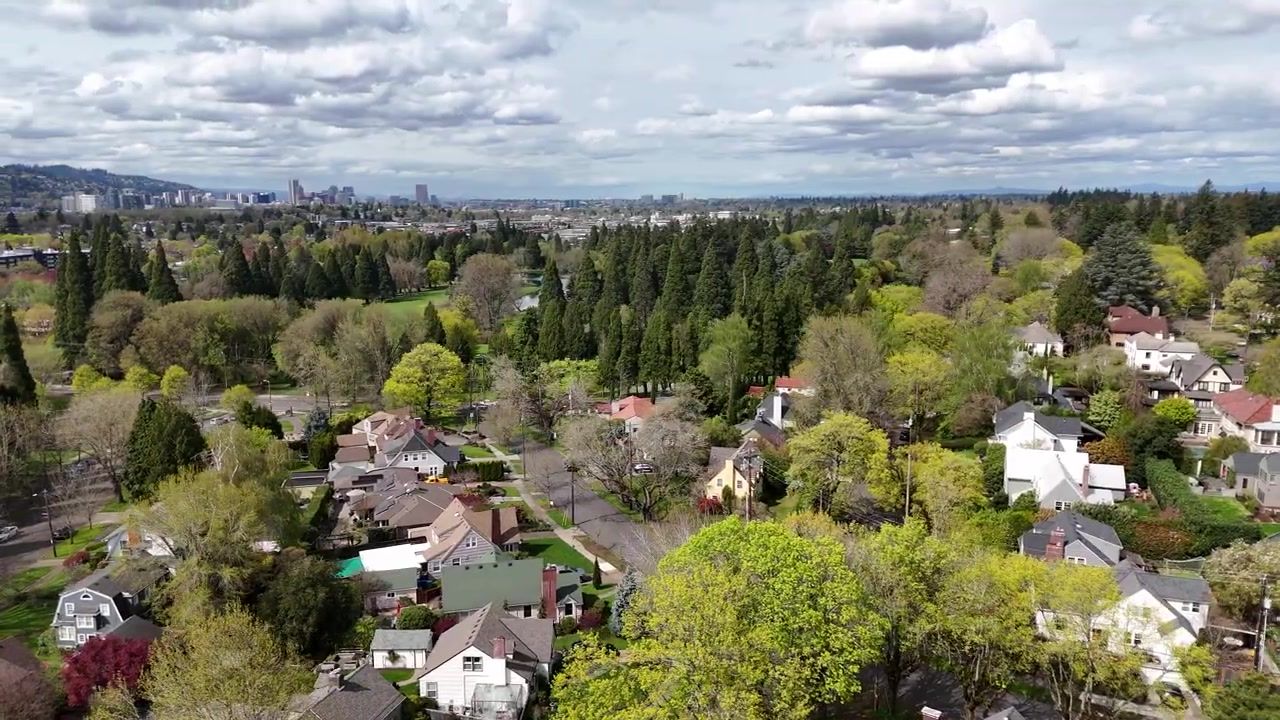
This isn't the Portland that makes national news. It's the Portland that people who live here already know: walkable streets lined with mature trees, historic homes with character you can't replicate, and neighborhoods where you can actually leave your car parked most of the week. While other parts of the metro see longer days on market and price adjustments, the inner Eastside continues to move quickly.

I'm seeing homes in SE Portland and NE Portland sell faster and often for more than comparable properties just a few miles out. Buyers relocating to Portland are drawn here for reasons that go beyond square footage and newness. The lifestyle, the architecture, the walkability, it all adds up to a market that's quietly thriving while the rest of the city recalibrates.

Table of Contents

Why the Inner Eastside Portland Market Stands Out

The inner Eastside isn't one neighborhood, it's a collection of them, each with its own personality but sharing common threads that make this part of Portland so appealing. When I talk about the inner Eastside, I'm referring to the neighborhoods roughly between the Willamette River and about 82nd Avenue, spanning both Southeast and Northeast Portland.

What sets this area apart is density done right. You're not in a high-rise district, but you're also not in a car-dependent suburb. These neighborhoods were built before the automobile dominated city planning, which means they're designed for people first. Corner stores, coffee shops, parks, and transit are woven into the fabric of daily life.

The housing stock here is different too. You'll find Craftsman bungalows from the 1910s and 1920s, mid-century ranches, and everything in between. Many of these homes have been updated over the years, but they retain the kind of character that new construction simply can't match. Original hardwood floors, built-in cabinetry, coved ceilings, and front porches that actually get used.

Buyers relocating to Portland often start their search looking at newer homes in the suburbs, then discover the inner Eastside and realize they don't want to give up walkability and character for an extra bedroom. The trade-off becomes clear: you might get less square footage here, but you gain a lifestyle that's harder to quantify on a listing sheet.

Historic Homes Are Selling for More

Here's something that surprises people: historic homes in the inner Eastside are often selling for more per square foot than newer construction in outer neighborhoods. That's not the pattern you see in most markets, where newer typically commands a premium.

The reason comes down to scarcity and desirability. You can't build more 1920s Craftsmans. The supply is fixed, and as more buyers recognize the value of these homes, both the tangible features and the intangible neighborhood qualities, prices reflect that demand.

I'm seeing well-maintained historic homes in SE Portland and NE Portland move quickly, sometimes with multiple offers. Buyers aren't just tolerating the age of these homes; they're seeking them out specifically. The craftsmanship, the materials, the details, these are selling points, not obstacles.

That said, not every old home is a gem. Deferred maintenance is real, and some properties need significant work. But buyers who understand what they're getting into, who budget for updates and appreciate the bones of a well-built older home, are finding value here that they can't replicate elsewhere in Portland.

The premium for historic homes also reflects the neighborhoods they're in. You're not just buying a house; you're buying into a community with established infrastructure, mature landscaping, and a sense of place that takes decades to develop.

SE Portland and NE Portland: What Buyers Are Finding

Southeast Portland and Northeast Portland share many characteristics, but they're not identical. Both offer the walkability and historic housing stock that define the inner Eastside, but the vibe shifts as you move from one quadrant to the other.

Southeast Portland tends to feel slightly more residential in many pockets, with tree-lined streets and a mix of commercial corridors and quiet blocks. Division Street, Hawthorne Boulevard, and Belmont Street provide commercial hubs with restaurants, shops, and services. You'll find everything from dive bars to upscale dining, vintage shops to modern boutiques.

The housing in SE Portland ranges from smaller bungalows to larger family homes, depending on the specific neighborhood. Lot sizes vary, but many properties have enough yard space for a garden or outdoor living area without feeling like you're managing a large suburban lot.

Northeast Portland has its own energy, with Alberta Street, Mississippi Avenue, and Williams Avenue serving as major commercial draws. The neighborhoods here feel slightly more connected to the city's creative and cultural scenes, though that's a generalization that doesn't hold true block by block.

What both quadrants share is access. You're close to downtown Portland, close to the river, and well-connected by transit. Biking is a legitimate transportation option, not just a weekend activity. Many households in these neighborhoods operate as one-car or car-free by choice, not necessity.

Buyers relocating here need to understand that you're trading space for location. Homes are smaller on average than what you'd find in the suburbs, and parking can be tight. But if walkability and neighborhood character rank high on your priority list, that trade-off makes sense.

Walkability and Lifestyle in Inner Eastside Neighborhoods

Walkability isn't just a buzzword in the inner Eastside, it's how people actually live. I see clients who relocate here and within a few months realize they're driving half as much as they did before. That shift changes how you experience daily life.

The infrastructure supports this lifestyle. Sidewalks are standard, not an afterthought. Crosswalks and bike lanes make getting around without a car safer and more practical. Transit options, including bus lines and MAX light rail access in some areas, connect you to the rest of the city.

But walkability here isn't just about transportation. It's about community. You run into neighbors at the coffee shop. You walk to the farmers market on weekends. Your kids can bike to school or meet friends at the park without needing a parent to drive them.

The commercial corridors in SE Portland and NE Portland are designed at a human scale. You're not walking past blank walls and parking lots; you're passing storefronts, restaurants, and businesses that create street life. That makes a difference in how connected you feel to your neighborhood.

For buyers coming from car-dependent suburbs or other cities, this lifestyle shift can be significant. Some people love it immediately. Others need time to adjust to smaller homes and less private outdoor space. But for those who value walkability, the inner Eastside delivers in a way that few other parts of Portland can match.

Days on Market and Pricing Trends

The inner Eastside Portland real estate market is moving faster than the city average. While some neighborhoods in Portland are seeing homes sit for 30, 45, or even 60 days, well-priced homes in SE Portland and NE Portland are often pending within two weeks.

That doesn't mean every home sells instantly. Overpriced listings still sit, and homes that need significant work take longer to move. But when a property is priced right and shows well, buyer interest is strong.

Pricing in the inner Eastside reflects the demand. You're generally paying more per square foot here than in outer East Portland or many suburban areas. The trade-off is location, walkability, and the character of the neighborhoods. Buyers who prioritize those factors are willing to pay the premium.

Home prices vary widely depending on the specific neighborhood, the condition of the home, and the size of the property. A small bungalow on a tight lot will price differently than a larger home with a yard and garage. But across the board, the inner Eastside is holding value better than many other parts of the metro.

For buyers relocating to Portland, this means you need to be ready to move when the right home comes up. The days of taking a week to think about an offer are largely over in this market. Homes that check the boxes, good condition, desirable location, fair price, attract multiple buyers quickly.

Which Inner Eastside Area Fits Your Lifestyle

Choosing between SE Portland and NE Portland, or even between specific neighborhoods within those quadrants, comes down to what you value most in your daily life.

Choose Southeast Portland if you want a slightly quieter residential feel with easy access to commercial corridors. The neighborhoods here tend to have more established tree canopy and a mix of housing types. You're close to parks, schools, and services without being in the middle of the busiest streets.

Choose Northeast Portland if you want to be closer to the city's creative and cultural energy. The commercial districts here feel slightly more dynamic, and you're well-positioned for downtown access and connections to North Portland.

Both areas offer walkability, historic homes, and strong community connections. The differences are subtle, and many buyers would be happy in either quadrant. The key is to spend time in the neighborhoods you're considering, walk the streets, and see which areas feel right.

If you're relocating to Portland from out of state, I recommend visiting at different times of day. Morning coffee runs, evening walks, weekend errands, these experiences will tell you more about a neighborhood than any listing description can.

Conclusion

The inner Eastside Portland real estate market is thriving for reasons that go beyond typical market metrics. Yes, homes are selling quickly and prices are holding strong, but the deeper story is about what buyers are choosing when they buy here.

They're choosing walkability over square footage. They're choosing historic character over new construction. They're choosing neighborhoods with established identities over areas still finding their footing. And they're willing to pay a premium for those qualities.

If you're relocating to Portland and these priorities resonate with you, the inner Eastside deserves serious consideration. The market is competitive, but for buyers who understand what they're getting, the value is clear.

I work with people making this move every month, and I can help you navigate the inner Eastside market with a clear strategy.  Call or text 503-925-5645, or schedule a meeting here  to talk through your priorities, your timeline, and how to position yourself as a strong buyer in these neighborhoods. Reach out when you're ready to start the conversation.

FAQ

What makes the inner Eastside Portland market different from other parts of the city?

The inner Eastside combines walkability, historic housing stock, and established neighborhoods in a way that few other parts of Portland can match. Homes here are selling faster and often for more per square foot than comparable properties in outer neighborhoods. Buyers are drawn to the lifestyle and character, not just the homes themselves.

Are historic homes more expensive to maintain?

Historic homes can require more maintenance than newer construction, especially if systems like plumbing, electrical, or roofing haven't been updated. However, many of these homes were built with higher-quality materials and craftsmanship than modern construction. Buyers who budget appropriately and work with contractors experienced in older homes find the trade-off worthwhile.

How walkable are SE Portland and NE Portland really?

Very walkable, especially compared to most American cities. Many households in the inner Eastside operate with one car or no car by choice. You'll find sidewalks, bike lanes, transit access, and commercial corridors within walking distance of most homes. The infrastructure supports walking and biking as legitimate transportation options, not just recreation.

What's the price difference between the inner Eastside and outer Portland neighborhoods?

You'll generally pay more per square foot in the inner Eastside than in outer East Portland or suburban areas. The premium reflects location, walkability, and neighborhood character. Exact pricing varies widely by specific neighborhood and property condition, but expect to trade some square footage for location when buying in SE Portland or NE Portland.

How competitive is the buyer market in these neighborhoods?

The inner Eastside is more competitive than the Portland market overall. Well-priced homes in good condition often receive multiple offers and go pending within two weeks. Buyers need to be prepared to move quickly when the right property comes up. Overpriced or homes needing significant work take longer, but desirable listings move fast.

Can I find a home with a yard in the inner Eastside?

Yes, though yard sizes are generally smaller than in suburban areas. Many homes have enough outdoor space for a garden, patio, or play area without requiring extensive maintenance. Lot sizes vary by neighborhood and property, but you won't find the large suburban yards common in outer areas. The trade-off is walkability and location.

Oregon Relocation Team

Born and raised in the Portland Metro, we’re passionate about Oregon and its people. From beaches to deserts, mountains to valleys, we love helping others experience the beauty of our state. Ready to move to, from, or within Oregon? Let’s connect.

Moving to Portland Metro and the Oregon Coast

Oregon Relocation Guide

Recent Posts

If you are thinking about moving to Portland and you are researching different neighborhoods and what it's like
By Oregon Relo Team - Seth & Paul • October 11, 2026
Moving to Portland, Oregon? Learn how to spot relocation clickbait, research neighborhoods, compare housing options, and find reliable local insights.

Yeah, that's, that's it.
By Oregon Relo Team - Seth & Paul • October 4, 2026
Explore Oswego Lake waterfront homes, historic architecture, lake access, and the unique properties that make Lake Oswego so distinctive.

So we We see this every single day, so I've also got a little PSA tip for all
By Oregon Relo Team - Seth & Paul • October 4, 2026
Learn where you can drive on Oregon Coast beaches, including Sand Lake, Florence and Coos Bay, plus permits, flags and driving tips.
Portland Metro Area: The Standoff Between Buyers and Sellers — Started, Buyers, But
By Oregon Relo Team - Seth & Paul • September 25, 2026
Portland's housing market shows conflicting signals with inventory building and sales slowing, yet prices remain steady. Let's breakdown what's happening.
And I think when you look at Astoria, You're looking at one of the biggest towns on the
By Oregon Relo Team - Seth & Paul • September 20, 2026
Explore the most affordable towns on the Oregon Coast and learn what home prices, inventory, housing stock, and trade-offs look like in each community.

Best Portland Suburbs for Relocating to Oregon
By Oregon Relo Team - Seth & Paul • September 13, 2026
A local broker ranks Portland's top 15 suburbs using real moving data and 30+ years of experience. Discover why Lake Oswego isn't number one and which towns punch above their weight.
Oregon Coast Tsunami Risk: What Homebuyers Need to Know
By Oregon Relo Team - Seth & Paul • September 6, 2026
Discover Oregon Coast neighborhoods from Astoria to Brookings outside tsunami inundation zones. Learn about elevation, evacuation routes, and high ground options for coastal safety.
decent access to the city, but you are quite a bit removed at the same time.
By Oregon Relo Team - Seth & Paul • September 6, 2026
Navigating Portland's west side suburbs? Learn why city boundaries, school districts, and unincorporated areas matter when searching for homes in Beaverton, Tigard, and Hillsboro.
Man pondering over aerial neighborhood view with bold text: “WHICH PART OF NE PORTLAND IS THE BEST?”
By Paul Clem • August 31, 2026
Explore the best Northeast Portland neighborhoods, home styles, lifestyle options, affordability, and areas to consider before moving.
“The Layers of Wilsonville” title graphic with a smiling man pointing at the text over a cityscape background
By Seth Marchant • August 25, 2026
Explore the best areas to live in Wilsonville Oregon, from Villebois and Frog Pond to Town Center, Old Town, rural areas, and Charbonneau.