Moving to Portland, Oregon? How to Find Reliable Relocation Guide
You're sitting at your laptop, third coffee in hand, watching yet another video titled something like "Portland is DYING" or "Why Everyone is Leaving Portland." Fifteen minutes later, the same agent who warned you away is now walking you through charming neighborhoods and telling you it's not so bad after all. If that whiplash feels confusing, you're not alone. Before you make any decisions about moving to Portland Oregon, I want to pull back the curtain on how real estate relocation content actually works, and what you should be paying attention to instead.
We film neighborhood tours, talk about the housing market, and yes, we address Portland's reputation head-on. But here's the thing: there's a massive difference between useful relocation information and clickbait designed to get views. And honestly, I think the constant cycle of dramatic headlines followed by damage control is doing more harm than good, both to Portland's reputation and to people genuinely trying to figure out if living in Portland Oregon is right for them.
If you're researching what it's like living here, you deserve to understand what you're actually watching, who's making it, and what we can honestly speak to as real estate professionals. Because spoiler: we're not economists, journalists, or public policy experts. We're brokers who help people buy and sell homes. And while that gives us a unique boots-on-the-ground perspective, it also means we have limitations, and incentives you should know about.
Table of Contents
The Clickbait Problem Surrounding Portland
Let's be honest about what's happening. Portland has developed a less-than-stellar national reputation over the past five to ten years. Political unrest, homelessness, crime, high taxes, a business environment that's not exactly welcoming, a struggling downtown, all of these things are real. And because Portland carries that baggage, it's become incredibly clickable. Videos with titles like "Portland is Burning," "Everybody's Leaving Portland," "Something HUGE Just Happened in Portland," or the classic "Portland's Back, Here's Why" get views. They get people in the door.
We're guilty of this too. I'm not going to pretend we're above it. We've made videos with warning labels and dramatic framing because that's how the game works on YouTube. But here's what bothers me: almost every single one of those videos, ours included, spends ten, fifteen, twenty minutes walking back the headline. We come at it from this defensive posture, saying, "Yes, but it's not really that bad," or "A lot of this is overstated." We're essentially using Portland's bad reputation to attract viewers, then spending the rest of the video trying to convince you the reputation is overblown.
That's not helpful. It perpetuates a negative loop. And for me personally, as someone who lives here, works here, raises a family here, continuing that messaging doesn't serve Portland well. It doesn't serve you well either if you're trying to get a clear picture of what relocating to Portland Oregon actually looks like. You end up with whiplash, bad, bad, bad, then actually not that bad, and you're left more confused than when you started.
I think it's important to see this content for what it is: marketing. Real estate professionals, myself included, are using content to attract potential buyers and clients. That doesn't make the information dishonest, but it does mean we have to play the game a little bit. And when the game rewards incendiary headlines about Portland or pros and cons framed as warnings, that's what you're going to see. Just know that going in.
What Real Estate Professionals Can Actually Offer
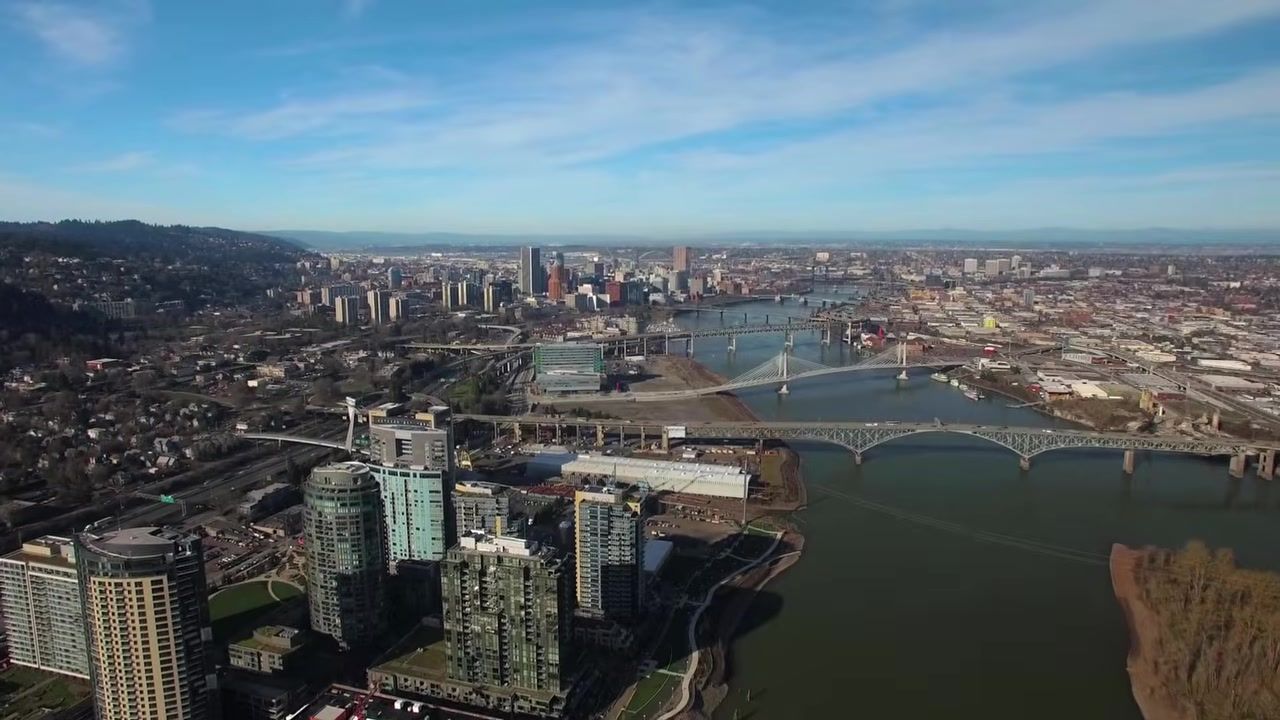
So what can I actually speak to as a real estate broker? I'm not an economist. I'm not a journalist, a sociologist, a criminologist, a social worker, or a public policy expert. I help people buy and sell homes in the Portland metro area. That's my wheelhouse. And while that might sound limiting, I think it actually gives us a really unique perspective, just not the kind you might expect from those clickbait titles.
What I can offer is boots-on-the-ground insight. I talk to people every single day who are moving into the area or who have lived here for decades. I hear about their experiences, why they love it, why they're leaving, how things have changed, what their day-to-day life looks like. I see public sentiment shift. I watch how neighborhoods evolve. I know which areas people gravitate toward and why, what challenges they run into, what surprises them in a good way and a bad way. That's anecdotal, sure, but it's also real.
Working with people through a home purchase or sale is a vulnerable, stressful, financially significant moment. They're making big life decisions, and I'm there for it. That gives me perspective on how people here locally actually see things, not just the headlines, but the lived reality. And I can relay that from my own experience and the experiences of the people I work with. Yes, this and this is bad, but maybe it's not as bad as you'd think based on how things are being described nationally. Or yes, this is a legitimate concern, and here's how it plays out in different parts of the metro area.
But here's the line: there's a big difference between saying "here's what I see and hear" versus "here is the definitive truth about the state of homelessness in Portland" or crime or taxes or whatever. Those bigger issues are real, and they're on people's minds when they're thinking about moving to Portland Oregon. Of course we want to address them. But we're not the authority on them. We can point you toward resources, share our own stories, give perspective, but we shouldn't be the only voice you're listening to on those topics.
What we are experts in: specific neighborhoods. The housing market, both metro-wide and in individual pockets. Comparing and contrasting areas based on your priorities and budget. What other people are doing when they move here and why. The unique challenges of relocating to this area. What everyday life looks like for our friends, family, clients, and ourselves. That's the stuff we can actually help you with in a meaningful way.
Neighborhoods, Housing, and What Relocation Content Should Cover
When you're researching living in Portland Oregon, the most useful content isn't going to be another deep dive into homelessness statistics or tax policy. It's going to be the stuff that helps you understand what your actual day-to-day life will look like. And that means getting into the weeds on neighborhoods, housing, and lifestyle.
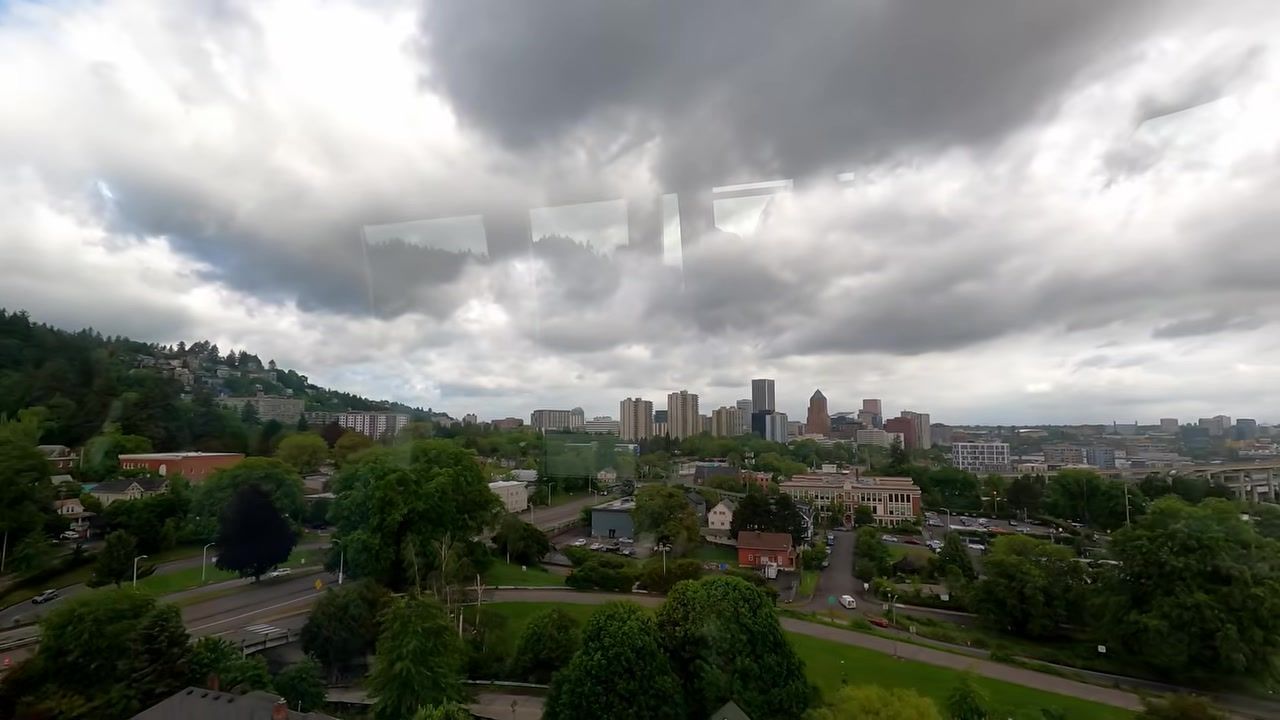
Different parts of the Portland metro area feel completely different from one another. Portland proper has distinct neighborhoods, Irvington, Sellwood, North Portland, Southwest Portland, Southeast Portland, Northeast Portland, and each one has its own vibe, housing stock, walkability, and trade-offs. Then you've got suburbs and towns throughout the metro: Beaverton, Oregon City, and dozens of others. Some are more urban, some are more suburban, some are more rural. Some have great parks and schools, some have better commutes, some have more shopping and restaurants, some have easier access to outdoor recreation.
The housing market varies wildly too. What you can get for your money in one part of town versus another is a huge consideration. And the market itself, inventory, days on market, buyer competition, shifts depending on where you're looking. That's the kind of information that actually helps you narrow your focus and figure out where you should be looking based on what you're trying to find.
But here's the problem: a video titled "Here's What an Ordinary Saturday Looks Like in the Irvington Neighborhood" or "The Really Cool Things to Do When You Live in This Part of Beaverton" isn't going to get nearly as many clicks as "WARNING: Don't Move to Portland Until You Watch This." And that's frustrating, because the former is way more useful if you're actually trying to figure out where to live.
I think the best relocation content focuses on culture, lifestyle, what's offered in different areas, what the housing is like, and where you're going to be able to find what you're looking for. That's the biggest question we help people answer right out of the gate: narrowing down areas, understanding trade-offs, looking at parks and schools and restaurants and amenities and commercial districts and commuting and recreation. All the things that are going to shape your actual experience living here.
What to Look At When Researching Portland
So if you're thinking about moving to Portland and you're deep in the YouTube research phase, here's my advice: don't only gravitate toward the negative, and don't only gravitate toward the positive either. Look for content that helps you understand the practical realities of living here.
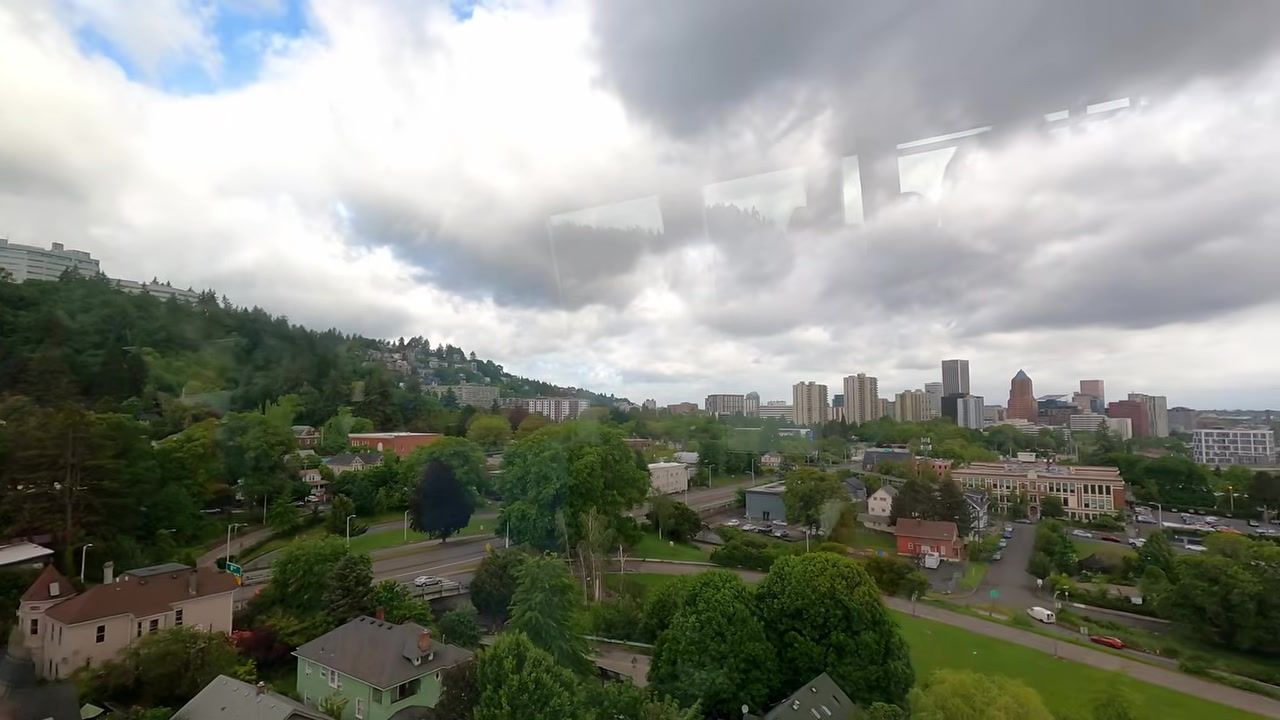
Start wrapping your head around the geography. Where are the different neighborhoods and suburbs? How do they compare? What's the commute like from this area versus that area? What kind of housing stock exists in each place, and what does the market look like? What are the parks, schools, restaurants, shopping, and commercial districts like? What about outdoor recreation, hiking, the beach, the mountains, all the natural beauty that makes this part of the country so appealing?
Because here's the thing: all of that is as true today as it's ever been. The trees, the nature, the access to the coast and the Cascades, the ability to get outside and hike and explore, that hasn't changed. And for a lot of people living in Portland Oregon, those are the things that dominate day-to-day life, not the issues that dominate the headlines.
I'm not saying the concerns aren't real. Crime, homelessness, taxes, downtown struggles, those are legitimate. But they're also not necessarily the parts that are going to dominate your day-to-day life here, especially depending on where you live, what your tolerance is, and what your context is relative to where you're coming from. And that's where real estate professionals can help connect the dots: expectation versus reality, based on what we see and hear from people actually living here.
But if all we're doing is spending our time trying to convince you that the bad things aren't as bad as they seem, we're probably doing more to contribute to Portland's bad reputation than we are to help fix it. And we have an incentive for you to move here and choose us as your agent. So take that into account when you're watching this type of content.
Using Relocation Content as a Resource
By all means, use our channel and others as a resource. Watch neighborhood tours. Learn about the housing market. Get a sense of the geography and the trade-offs of living in different parts of town. Figure out what your day-to-day life is going to look like. That's what this content should be helping you do.
I'm not telling you to be skeptical when agents talk about homelessness or high taxes or any of the more clickbait-oriented topics. A lot of that content is addressing real concerns in a thoughtful way. But just know that those aren't the things that should be dominating the conversation. And if we're making Portland sound like it's on fire and collapsing, only to spend the next ten minutes telling you it isn't, we're probably not being as helpful as we could be.
What I'd rather do is focus on the things we're actually experts in: helping you discover specific neighborhoods, understand the market, compare your options, and identify what's going to be the best fit based on your priorities and budget. That's the conversation that's going to serve you best when you're relocating to Portland Oregon.
Conclusion
If you're thinking about moving to Portland, I hope this gives you some perspective on what you're watching when you're doing your research. Real estate relocation content has value, it can help you understand neighborhoods, housing, lifestyle, and what to expect. But it's also marketing, and it's shaped by what gets clicks. The most talked-about parts of Portland aren't necessarily the parts that are going to define your experience living here.
Focus on the practical stuff: where you want to live, what kind of housing you're looking for, what your commute will be like, what the parks and schools and amenities are like, and what your day-to-day life is going to look like. That's what actually matters. And if you want to talk through any of that, neighborhoods, the housing market, schools, outdoor recreation, the big considerations when relocating to a new area, call or text 503-925-5645 or schedule a meeting here. We'd be happy to help you figure out which part of the Portland metro area fits what you're looking for.
FAQ
Is Portland really as bad as the headlines make it seem?
No, not for most people living here day-to-day. The issues you hear about, homelessness, crime, downtown struggles, are real, but they don't dominate everyday life for most residents, especially depending on where you live and what your tolerance is. A lot of the national coverage is overblown or focuses on specific pockets that aren't representative of the entire metro area.
Should I trust real estate agents making relocation videos about Portland?
Yes, but with context. We're not economists or policy experts, we're brokers who help people buy and sell homes. We can give you boots-on-the-ground insight, anecdotal perspective, and expertise on neighborhoods and the housing market. But we also have an incentive for you to move here and choose us as your agent, so take that into account when you're watching.
What should I focus on when researching Portland neighborhoods?
Look at the practical stuff: housing stock and market conditions, commute times, parks and schools, restaurants and shopping, walkability, and access to outdoor recreation. Different parts of the metro area feel completely different from one another, so understanding those trade-offs is key to finding the right fit for your priorities and budget.
Are the outdoor recreation and natural beauty still worth it?
Absolutely. The trees, the nature, the access to the coast and the mountains, the hiking and outdoor lifestyle, all of that is as true today as it's ever been. For a lot of people, that's what makes living in Portland Oregon worth it, and it's a big part of day-to-day life here.
How do I know which part of the Portland metro area is right for me?
That's the biggest question we help people answer. It depends on your priorities: commute, budget, housing style, schools, walkability, proximity to outdoor recreation, and lifestyle. The best way to narrow it down is to talk through your specific situation with someone who knows the area and can compare your options honestly.
What's the housing market like in Portland right now?
It varies widely depending on where you're looking. Some pockets have more inventory and longer days on market, others are more competitive. The market metro-wide has shifted over the past few years, but conditions in individual neighborhoods and suburbs can be very different. That's where working with a local broker who knows the micro-markets can really help.
Oregon Relocation Team
Born and raised in the Portland Metro, we’re passionate about Oregon and its people. From beaches to deserts, mountains to valleys, we love helping others experience the beauty of our state. Ready to move to, from, or within Oregon? Let’s connect.
Recent Posts