Most Affordable Towns on the Oregon Coast: What Your Budget Buys
The Oregon Coast is not a monolith. You can find homes in Astoria for prices that would shock someone shopping in Cannon Beach, and you can stumble into Port Orford or Garibaldi and wonder why the numbers look so different from what you saw an hour north. Affordability here is not just about finding the cheapest listing. It is about understanding why some towns cost what they do, what you are trading off when you go lower on the price ladder, and whether the home you can actually buy will work for the life you want to live.
I put together a list of the ten most affordable towns on the Oregon Coast based on median sale prices. This is not a countdown of the ten best places to live or the ten hidden gems. It is a data-driven look at where prices sit right now and what is driving those numbers. Some of these towns appear affordable because inventory is tight and the few homes that sell skew older or smaller. Others are affordable because they are farther from the tourist centers people associate with the Coast. A few are affordable despite strong demand, which tells you something about housing supply and the kinds of properties that come to market.
We are going from Astoria in the north to Coos Bay in the south. I will tell you what the median sale price looks like, what kind of home you can expect for that money, how much inventory moves through each town, and what trade-offs you are making when you choose one of these communities over a pricier neighbor. If you are planning a move to the Oregon Coast and want to understand where your budget can stretch, this is the breakdown.
Table of Contents
- What Affordability Really Means on the Oregon Coast
- Astoria: Historic Charm with a Lower Entry Point
- Warrenton: Quiet and Affordable Near the Columbia
- Waldport: Small-Town Living South of Newport
- North Bend: Industrial Roots and Steady Inventory
- Gold Beach: Southern Oregon Coast Access
- Tillamook: Inland Affordability with Coast Proximity
- Seaside: Tourist Town with Surprising Price Points
- Port Orford: Isolated and Affordable
- Garibaldi: Tiny Fishing Village with Low Prices
- Coos Bay: The Most Affordable Coastal Town
- Which Affordable Oregon Coast Town Is Right for You?
- Ready to Explore the Oregon Coast?
What Affordability Really Means on the Oregon Coast
When I talk about affordability, I am not just looking at the lowest number on a listing. Median sale price is the starting point, but it does not tell the whole story. A town can look affordable because the homes that sell are older, smaller, or farther from the water. Another town can look affordable because it is isolated and the buyer pool is narrow. A third town can be affordable despite high demand because there is enough inventory to keep prices from spiking the way they do in places like Manzanita or Arch Cape.
You also have to think about what you are getting for the price. A home in Seaside might cost less than a home in Cannon Beach, but you are buying into a tourist economy with different trade-offs around noise, traffic, and seasonal swings. A home in Coos Bay might be the most affordable on this list, but you are also buying into a town with an industrial economy and a different feel than the resort communities farther north. Affordability is relative. It depends on what you need, what you are willing to give up, and how much the things you care about cost in the market you are shopping.
I am also looking at housing supply. Some of these towns have tight inventory, which means the median price can swing year to year based on a handful of sales. Others have steadier volume, which gives you a clearer picture of what the market actually looks like. If you are relocating and you need to understand what your budget buys, you need to know both the price and the context.
Astoria: Historic Charm with a Lower Entry Point
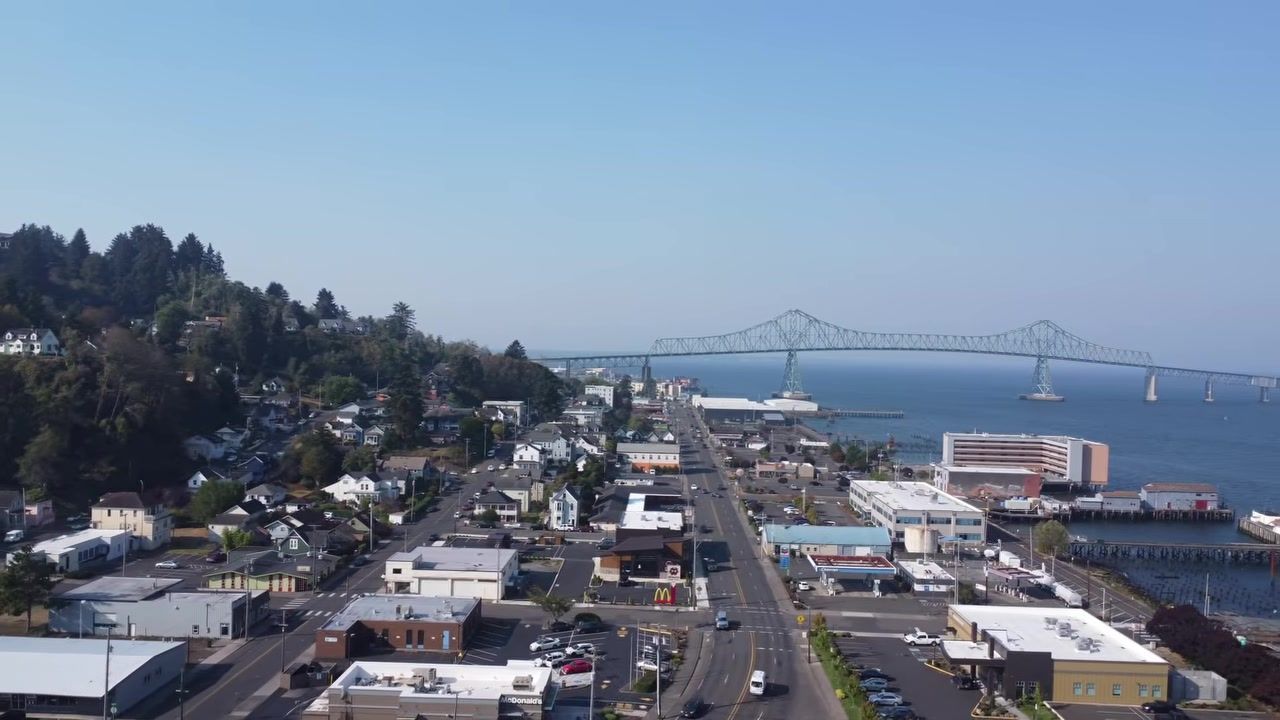
Astoria sits at number ten on this list. It is one of the most recognizable towns on the Oregon Coast, with a deep history, a working waterfront, and a downtown that draws tourists and locals alike. The median sale price here is lower than you might expect for a town with this much character and this much access to amenities. That does not mean Astoria is cheap. It means the housing stock skews older, the inventory includes a mix of conditions, and the town has enough volume that prices do not spike the way they do in smaller coastal markets.
You are buying into a town with real infrastructure. Astoria has grocery stores, restaurants, breweries, a hospital, and a community that functions year-round. It is not a resort town. It is a place where people live and work, and that shows up in the housing. You will find older homes that need work, smaller homes on tight lots, and a range of conditions from move-in ready to full renovation projects. The age and size of the housing stock is part of what keeps the median price lower than towns with newer builds or larger floor plans.
Astoria also sits at the northern edge of the Coast, right where the Columbia River meets the Pacific. You are close to the Astoria-Megler Bridge, which connects you to Washington. You are an hour and a half from Portland. You have access to the Coast without being in the middle of the tourist corridor that runs from Cannon Beach to Lincoln City. That proximity to the metro area is part of the appeal, but it also means you are not getting the same isolation or quiet you would find farther south.
The trade-off here is condition and age. You are not buying new construction in Astoria. You are buying into a historic town with older housing stock, and that means you need to budget for maintenance, updates, and the realities of owning a home that has been around for decades. If you want access to the Coast, a real town with year-round services, and a lower entry point than the resort communities, Astoria is worth looking at. Just know what you are getting.
Warrenton: Quiet and Affordable Near the Columbia
Warrenton comes in at number nine. It sits just south of Astoria, right on the Columbia River, and it is quieter and less touristy than its neighbor. The median sale price here is slightly lower than Astoria, and the housing stock is similar: older homes, smaller lots, and a mix of conditions. Warrenton does not have the same downtown energy as Astoria, but it has access to the same services and the same proximity to the metro area.
You are buying into a town that feels more residential. Warrenton has less foot traffic, fewer tourists, and a slower pace. It is close enough to Astoria that you can drive there for shopping, dining, and entertainment, but you are not living in the middle of it. That can be a plus if you want the access without the noise. It can also feel limiting if you want walkability or a more active downtown scene.
The housing here is older, and the inventory is smaller than Astoria. That means the median price can shift based on what sells in any given year. You are not looking at a high-volume market, so you need to be patient and flexible if you are shopping here. The homes that come to market are often smaller, older, and priced for buyers who are willing to take on some work.
Warrenton is a good option if you want affordability near the northern Coast, access to Astoria without living in Astoria, and a quieter setting. You are trading walkability and volume for lower prices and a more residential feel. If that fits what you are looking for, Warrenton is worth considering.
Waldport: Small-Town Living South of Newport
Waldport is number eight. It sits south of Newport, right on Highway 101, and it is one of the smaller towns on this list. The median sale price here is lower than Newport, but the housing stock is also older and the inventory is tighter. Waldport does not have the same tourist draw as Newport, and it does not have the same level of services or amenities. You are buying into a quieter, smaller community with less infrastructure and fewer options for shopping and dining.
The appeal here is the lower price point and the access to the central Coast. You are close to Newport if you need a hospital, a larger grocery store, or more dining options. You are also close to Yachats, which has its own appeal for buyers who want a smaller, more artistic community. Waldport sits in the middle, and that can work if you want affordability and access without living in the busier towns.
The housing stock is older, and the homes that sell are often smaller. You are not looking at new construction or large floor plans. You are looking at older homes on smaller lots, and you need to be prepared for the maintenance and updates that come with that. The inventory is also tight, so the median price can swing based on what sells in any given year.
Waldport is a good option if you want small-town living on the central Coast, lower prices than Newport, and access to the amenities in nearby towns. You are trading services and volume for affordability and quiet. If that trade-off works for you, Waldport is worth a look.
North Bend: Industrial Roots and Steady Inventory
North Bend comes in at number seven. It sits next to Coos Bay on the southern Coast, and it has a more industrial feel than the resort towns farther north. The median sale price here is lower than the central Coast, and the housing stock is a mix of older homes and some newer builds. North Bend has more inventory than some of the smaller towns on this list, which means the median price is more stable and you have more options when you are shopping.
You are buying into a town with real infrastructure. North Bend has grocery stores, schools, a hospital, and a community that functions year-round. It is not a tourist town, and that shows up in the housing. You will find older homes, smaller homes, and a range of conditions. You will also find some newer builds and larger floor plans, which is not always the case in the smaller coastal markets.
The trade-off here is the feel. North Bend is not a resort town. It is a working town with an industrial economy, and that shows up in the landscape and the vibe. You are close to the ocean, but you are not in a postcard setting. You are in a town that has roots in timber and fishing, and that history is still visible. If you want affordability, access to services, and a real community, North Bend can work. If you want the resort feel, you will need to look elsewhere.
North Bend is a good option if you want steady inventory, lower prices than the central Coast, and access to the southern Oregon Coast. You are trading the resort vibe for affordability and infrastructure. If that fits your priorities, North Bend is worth considering.
Gold Beach: Southern Oregon Coast Access
Gold Beach is number six. It sits on the southern Oregon Coast, close to the California border, and it is one of the more isolated towns on this list. The median sale price here is lower than the central Coast, but the housing stock is also older and the inventory is tighter. Gold Beach has a small-town feel, and the community is quieter and more spread out than the towns farther north.
You are buying into a town with access to the Rogue River, the ocean, and some of the most scenic stretches of the southern Coast. Gold Beach has grocery stores, restaurants, and basic services, but it is not a major hub. You are farther from the metro area, farther from the central Coast, and more isolated. That can be a plus if you want quiet and space. It can also be a drawback if you need access to larger towns or more services.
The housing stock is older, and the homes that sell are often smaller. You are not looking at a high-volume market, so the median price can shift based on what sells in any given year. The inventory is tight, and you need to be patient if you are shopping here. The homes that come to market are often older, smaller, and priced for buyers who are willing to take on some work.
Gold Beach is a good option if you want southern Coast access, lower prices than the central Coast, and a quieter, more isolated setting. You are trading proximity and volume for affordability and space. If that trade-off works for you, Gold Beach is worth a look.
Tillamook: Inland Affordability with Coast Proximity
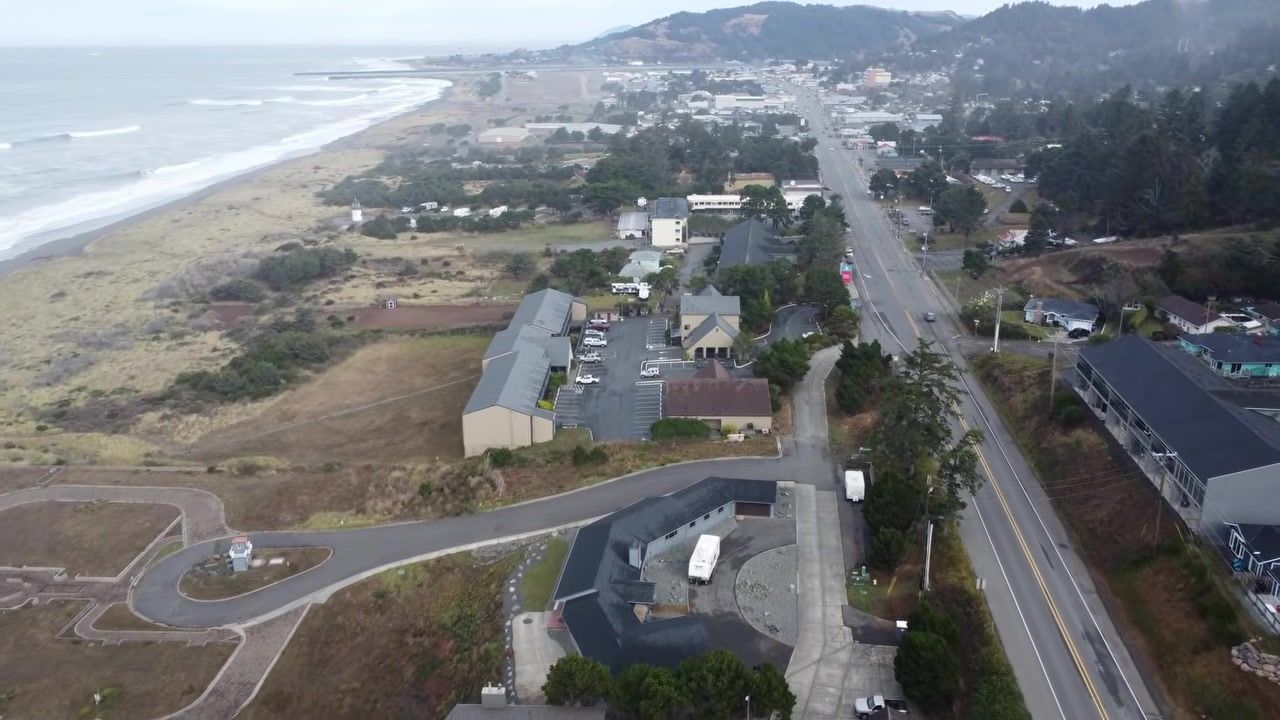
Tillamook is number five. It sits inland from the Coast, about ten miles from the ocean, and it is one of the larger towns on this list. The median sale price here is lower than the coastal towns, but Tillamook has more infrastructure, more services, and more inventory. You are buying into a town with grocery stores, schools, a hospital, and a community that functions year-round. You are also buying into a town that is known for dairy farming, not tourism.
The appeal here is the lower price point and the access to the Coast. You are close to Pacific City, Oceanside, and the Three Capes Scenic Loop. You are also close to Highway 101, which connects you to the rest of the Coast. Tillamook is not a coastal town, but it is close enough that you can get to the ocean in ten or fifteen minutes. That proximity is part of the value.
The housing stock is a mix of older homes and some newer builds. You will find larger floor plans here than you will in some of the smaller coastal towns, and you will find more inventory. The market is more stable, and the median price is more predictable. You are not looking at the same tight inventory or the same price swings you see in smaller markets.
The trade-off here is that you are not on the Coast. You are inland, and that means you are not waking up to ocean views or walking to the beach. You are driving to the Coast, and that can be a drawback if you want the coastal lifestyle. If you want affordability, access to the Coast, and a town with real infrastructure, Tillamook can work. If you want to live on the water, you will need to look elsewhere.
Seaside: Tourist Town with Surprising Price Points
Seaside comes in at number four. It is one of the most recognizable towns on the Oregon Coast, with a boardwalk, a tourist economy, and a downtown that draws visitors year-round. The median sale price here is lower than you might expect for a town with this much name recognition and this much foot traffic. That does not mean Seaside is cheap. It means the housing stock skews older, the inventory includes a mix of conditions, and the town has enough volume that prices do not spike the way they do in smaller markets.
You are buying into a tourist town. Seaside has restaurants, shops, arcades, and a boardwalk that runs along the beach. It is busy in the summer, and it is quieter in the winter. The housing stock is older, and the homes that sell are often smaller. You will find condos, older beach cottages, and homes that need work. You will also find some newer builds and larger floor plans, but the median price reflects the older stock.
The appeal here is the access. Seaside has grocery stores, schools, a hospital, and year-round services. It is close to Cannon Beach, close to Astoria, and close to Portland. You are in the middle of the northern Coast, and that proximity is part of the value. The trade-off is the tourist traffic. Seaside is busy, and that shows up in the noise, the parking, and the seasonal swings. If you want the coastal lifestyle and you are willing to live in a tourist town, Seaside can work. If you want quiet, you will need to look elsewhere.
Seaside is a good option if you want affordability on the northern Coast, access to services, and proximity to the metro area. You are trading quiet for access and volume. If that fits your priorities, Seaside is worth considering.
Port Orford: Isolated and Affordable
Port Orford is number three. It sits on the southern Oregon Coast, and it is one of the most isolated towns on this list. The median sale price here is lower than the central Coast, but the housing stock is also older and the inventory is very tight. Port Orford is small, quiet, and far from the larger towns. You are buying into a community that is more remote, more spread out, and more limited in terms of services and amenities.
The appeal here is the price and the setting. Port Orford has ocean views, access to the beach, and a small-town feel. It is quieter than the tourist towns farther north, and it is more affordable. The trade-off is the isolation. You are far from the metro area, far from the central Coast, and far from the larger towns. If you need a hospital, a larger grocery store, or more dining options, you are driving. The inventory is also very tight, so the median price can swing based on what sells in any given year.
The housing stock is older, and the homes that sell are often smaller. You are not looking at a high-volume market, and you need to be patient if you are shopping here. The homes that come to market are often older, smaller, and priced for buyers who are willing to take on some work. Port Orford is a good option if you want southern Coast access, lower prices, and a quiet, isolated setting. You are trading proximity and volume for affordability and space. If that trade-off works for you, Port Orford is worth a look.
Garibaldi: Tiny Fishing Village with Low Prices
Garibaldi is number two. It is a tiny fishing village on the northern Coast, and it is one of the smallest towns on this list. The median sale price here is very low, but the inventory is also very tight. Garibaldi does not have the same services or amenities as the larger towns, and the housing stock is older and smaller. You are buying into a community that is quiet, isolated, and limited in terms of infrastructure.
The appeal here is the price. Garibaldi is one of the most affordable towns on the Oregon Coast, and that can work if you are looking for a lower entry point. The trade-off is the size and the services. Garibaldi is small, and you are driving to Tillamook or Rockaway Beach for grocery stores, dining, and other services. The inventory is very tight, so the median price can swing based on what sells in any given year. The homes that come to market are often older, smaller, and priced for buyers who are willing to take on some work.
Garibaldi is a good option if you want the lowest prices on the northern Coast and you are willing to live in a very small, very quiet community. You are trading services and volume for affordability. If that fits your priorities, Garibaldi is worth considering.
Coos Bay: The Most Affordable Coastal Town
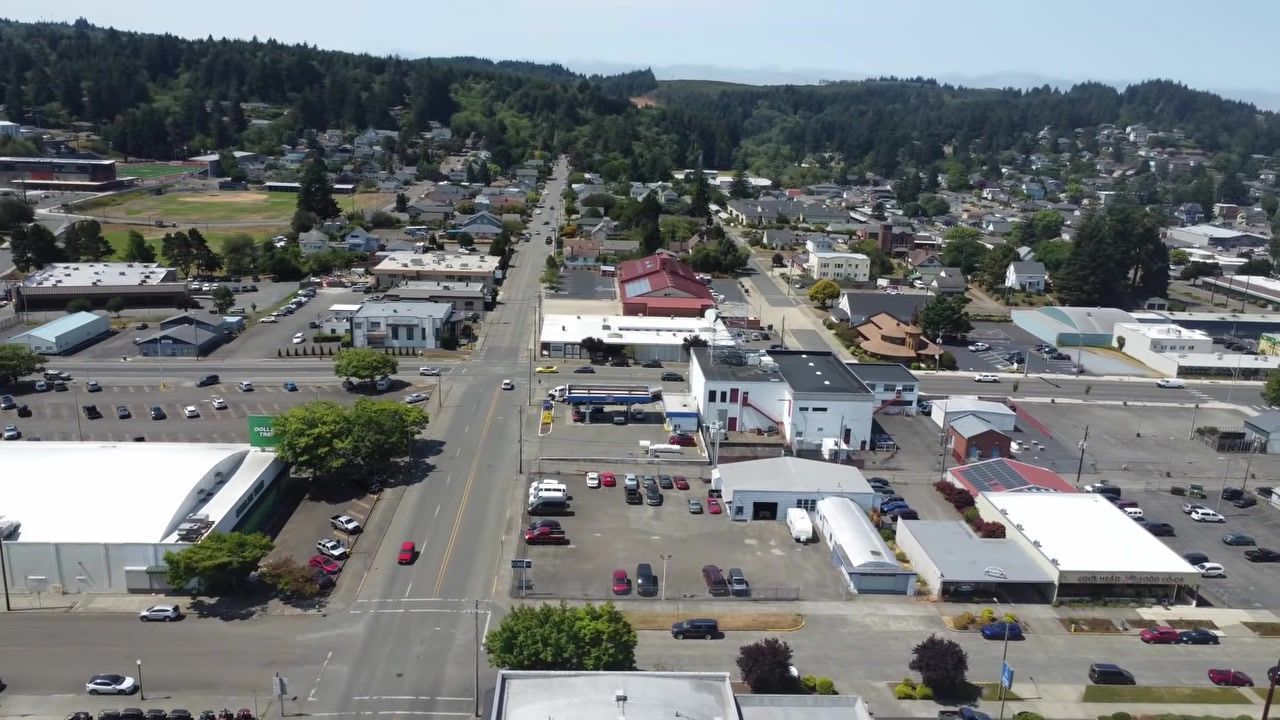
Coos Bay is number one. It is the most affordable town on the Oregon Coast based on median sale price, and it is also one of the largest towns on the Coast. Coos Bay has real infrastructure, real services, and real inventory. You are buying into a town with grocery stores, schools, a hospital, and a community that functions year-round. The median sale price here is lower than the central Coast, and the housing stock is a mix of older homes and some newer builds.
You are buying into a town with an industrial economy. Coos Bay has roots in timber and fishing, and that history is still visible. It is not a resort town, and it does not have the same tourist draw as the towns farther north. The trade-off is the feel. Coos Bay is a working town, and that shows up in the landscape and the vibe. You are close to the ocean, but you are not in a postcard setting.
The appeal here is the price and the inventory. Coos Bay has more homes for sale than most of the towns on this list, and the median price is lower. You have more options when you are shopping, and the market is more stable. You will find older homes, smaller homes, and a range of conditions. You will also find some newer builds and larger floor plans, which is not always the case in the smaller coastal markets.
Coos Bay is a good option if you want the most affordable entry point on the Oregon Coast, access to services, and steady inventory. You are trading the resort vibe for affordability and infrastructure. If that fits your priorities, Coos Bay is worth considering.
Which Affordable Oregon Coast Town Is Right for You?
The most affordable towns on the Oregon Coast are not all affordable for the same reasons. Some are affordable because the housing stock is older and smaller. Others are affordable because they are isolated or farther from the tourist centers. A few are affordable despite strong demand because there is enough inventory to keep prices from spiking.
Choose Astoria or Warrenton if you want northern Coast access, proximity to Portland, and a real town with year-round services. You are trading newer construction for lower prices and access.
Choose Waldport if you want central Coast access, small-town living, and proximity to Newport and Yachats. You are trading services and volume for affordability and quiet.
Choose North Bend or Coos Bay if you want the southern Coast, real infrastructure, and steady inventory. You are trading the resort vibe for affordability and access to services.
Choose Gold Beach or Port Orford if you want southern Coast access, isolation, and lower prices. You are trading proximity and volume for space and quiet.
Choose Tillamook if you want inland living with Coast proximity, larger floor plans, and more inventory. You are trading ocean views for affordability and infrastructure.
Choose Seaside if you want northern Coast access, tourist-town energy, and proximity to the metro area. You are trading quiet for access and volume.
Choose Garibaldi if you want the lowest prices on the northern Coast and you are willing to live in a very small, very quiet community. You are trading services for affordability.
Ready to Explore the Oregon Coast?
If you are planning a move to the Oregon Coast and you want to understand where your budget can stretch, I can help you figure out which town fits what you are looking for. I know the markets, I know the trade-offs, and I can walk you through what you are actually getting for your money in each of these communities. Call or text 503-925-5645, or schedule a meeting here and we will talk through your priorities, your budget, and what makes sense for the life you want to live on the Coast.
FAQ: Buying an Affordable Home on the Oregon Coast
What is the most affordable town on the Oregon Coast?
Coos Bay is the most affordable town on the Oregon Coast based on median sale price. It has real infrastructure, steady inventory, and a mix of older and newer homes. You are buying into a working town with an industrial economy, not a resort community.
Are homes in Seaside cheaper than Cannon Beach?
Yes. Seaside has a lower median sale price than Cannon Beach, but the housing stock is older and the town has a different feel. Seaside is a tourist town with more volume and more services. Cannon Beach is smaller, quieter, and more expensive.
Is Tillamook considered a coastal town?
No. Tillamook sits about ten miles inland from the Coast. It has access to the ocean, but it is not a coastal town. The median sale price is lower than the coastal towns, and the housing stock includes larger floor plans and more inventory.
Why is Astoria more affordable than other northern Coast towns?
Astoria has a lower median sale price than towns like Cannon Beach or Manzanita because the housing stock is older, the inventory is higher, and the town has a mix of conditions. You are buying into a historic town with real infrastructure, not a resort community.
What should I know before buying in Port Orford or Gold Beach?
Both towns are isolated, have tight inventory, and have older housing stock. You are far from the metro area and far from the larger coastal towns. If you need services, you are driving. The median price can swing based on what sells in any given year.
Does affordability on the Oregon Coast mean older homes?
Often, yes. Many of the most affordable towns on the Oregon Coast have older housing stock, smaller floor plans, and a mix of conditions. You will find some newer builds in towns like North Bend and Coos Bay, but the median price reflects the older stock.
Oregon Relocation Team
Born and raised in the Portland Metro, we’re passionate about Oregon and its people. From beaches to deserts, mountains to valleys, we love helping others experience the beauty of our state. Ready to move to, from, or within Oregon? Let’s connect.
Recent Posts