Moving to Portland Oregon can feel equal parts exciting and intimidating. There are the obvious things to sort out like timing, budget, housing, and the mechanics of an out-of-state move. But then there are the bigger quality-of-life questions. What is Portland actually like day to day? Which side of the metro makes the most sense? How much do taxes matter? Is the weather really that hard to handle? And how much of Portland’s national reputation is something you’ll actually feel in your own life?
Those are exactly the kinds of questions we think people should be asking before moving to Portland Oregon. Portland is a unique place. It has a strong identity, a very specific culture, and a metro area that offers way more variety than many people realize at first. It also comes with tradeoffs, and if you understand those upfront, you can make a much better decision about whether Portland is a fit for you.
This guide covers the biggest things to think about if you are moving to Portland Oregon in 2026 and want an honest feel for what living here is really like.
Table of Contents
- Why Portland Is More Diverse Than People Think
- Portland Metro Layout Explained
- Choosing a Home in Portland
- Taxes and Cost of Living in Portland Oregon
- Lifestyle Changes When Moving to Portland Oregon
- Political Culture in Portland
- Portland Weather Overview
- Buying a House in 2026
- Downtown Portland Update
- Who Lives in Portland
- FAQs About Moving to Portland Oregon
- Final Thoughts
Why Portland Is More Diverse Than People Think
One of the first things we try to get across to people moving to Portland Oregon is that you have options. A lot of options.
People sometimes picture Portland as one thing. Maybe they imagine dense urban neighborhoods, quirky coffee shops, old houses, bikes, politics, and rain. That image exists, sure, but it is only one piece of the metro. The bigger reality is that Portland gives you a pretty wide range of living environments.
You can live:
- In the urban core
- In close-in neighborhoods with strong character
- In classic suburbs
- On the edge of town in newer master-planned communities
- In areas that feel surprisingly small-town or semi-rural
That matters because a lot of people assume moving to Portland Oregon means signing up for one very specific Portland experience. It does not. You can shape this move around your priorities a lot more than you might think.
Portland Metro Layout Explained
At a basic level, the Portland metro is defined by east and west.
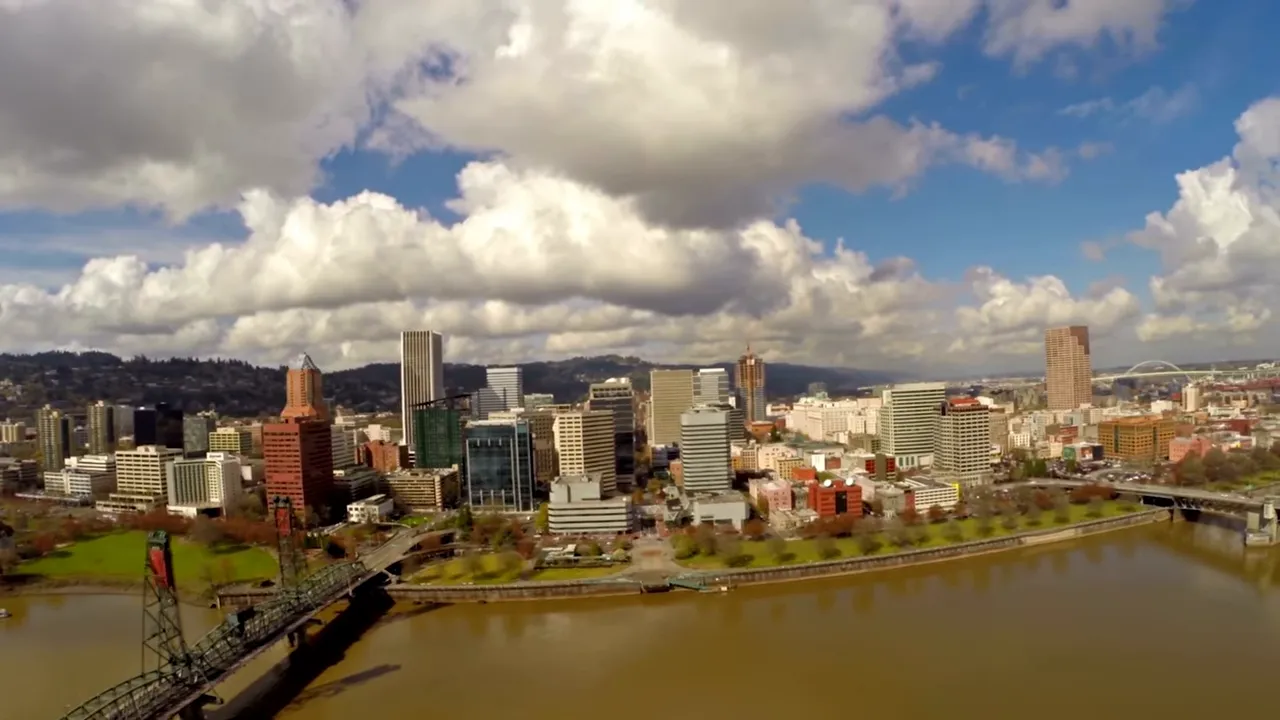
The Willamette River runs north to south through the center of the city, and that divide ends up mattering more than newcomers often expect. Yes, people cross the river all the time. But in real life, most people tend to spend the majority of their time on the side they live on.
If you live on the west side, you will probably do most of life on the west side. If you live on the east side, same story.
That is not a hard rule, but it is a useful one.
West side of the metro
The west side is anchored largely by Washington County and some of the best-known suburbs in the region, including:
- Beaverton
- Hillsboro
- Tigard
- Sherwood
Lake Oswego sits on the west side of the river, though county lines make things a little less tidy than the east-west shorthand suggests.
East side of the metro
The east side includes much of Portland proper in Multnomah County, along with Clackamas County communities like:
- Milwaukie
- Happy Valley
- Oregon City
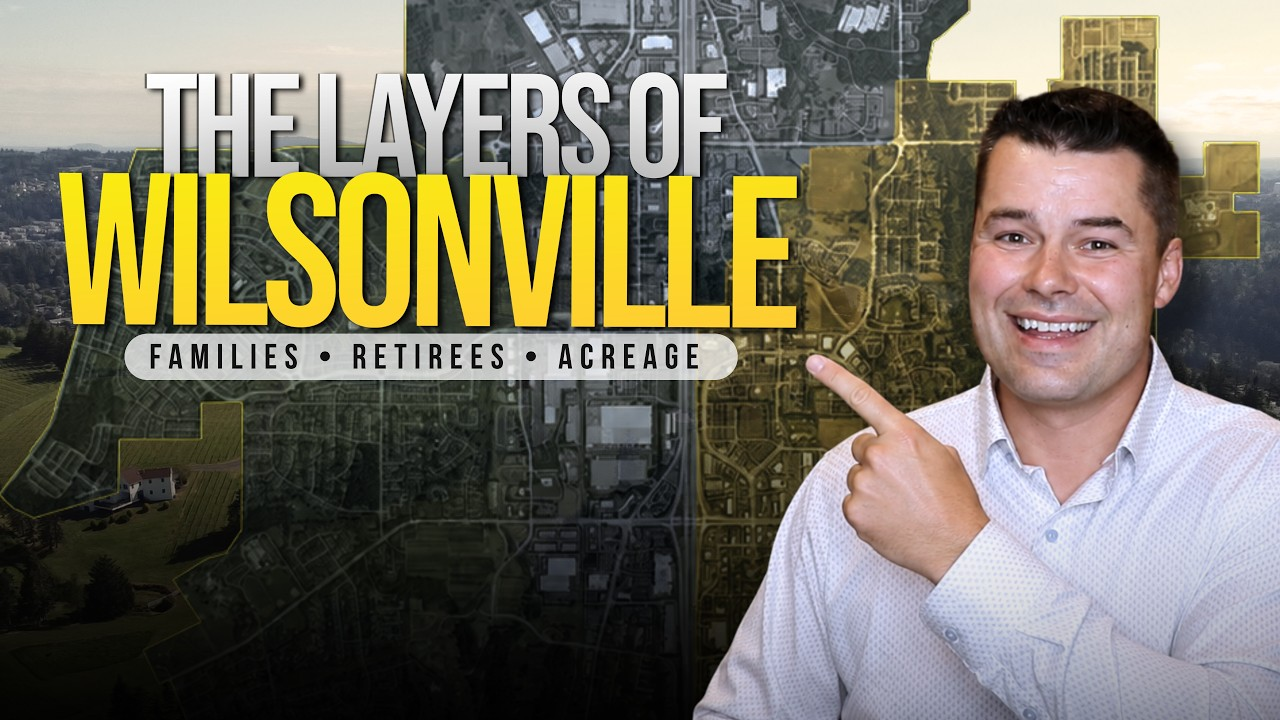
Some southern areas, including West Linn, Wilsonville, and Tualatin, give you decent access to both sides because of freeway connections. If location flexibility is important, those areas can be worth a closer look.
Choosing a Home in Portland
For a lot of people, the home itself becomes the first big clue for where they should focus.
Portland has a strict urban growth boundary, and that has a major effect on how the region develops. New construction tends to happen farther out on the edges of the metro. As you move away from the center, neighborhoods generally get newer, homes get newer, and subdivisions become more common.
Closer in, you are more likely to find older neighborhoods, established trees, older housing stock, and more distinct neighborhood personality.
That means if you want:
- A newer home, you will likely end up farther out
- A historic neighborhood, you will likely end up closer in
- Hills, trees, and possible views, certain pockets offer that
- Flatter terrain, there are plenty of areas for that too
There are established neighborhoods, up-and-coming neighborhoods, and communities across a wide range of price points. If you can identify your top three to five priorities, there is a very good chance Portland has a part of the map that lines up with them.
Taxes and Cost of Living in Portland Oregon
If you are moving to Portland Oregon, do not gloss over taxes.
Oregon has no sales tax, which always sounds great at first. But that is only part of the picture. The state has a high overall tax burden, and depending on your income and where you live, it can absolutely change the math of a move.
The main things to know are:
- State income tax is high
- Property taxes can be high
- Portland-area local taxes add another layer
In the metro area, two of the most talked-about local taxes have been the tax supporting universal preschool in Multnomah County and the homelessness supportive services tax that applies across the tri-county metro area.
Whether those tradeoffs feel worth it is a personal decision. Some residents support the goals and want to see results. Others feel the burden is already too high. Both perspectives are part of the conversation here.
The important takeaway is simple: if you are moving to Portland Oregon, run the numbers carefully. Even people coming from high-cost states can find that their tax situation changes in ways they did not expect.
Lifestyle Changes When Moving to Portland Oregon
Portland is almost certainly going to feel different from wherever you are coming from.
That does not automatically mean better or worse. It just means different.
If you are coming from a larger city like Los Angeles, San Francisco, or even Seattle, Portland may feel smaller and quieter. If you are coming from a small town or a smaller city, Portland may feel like it has a lot more going on.
One honest way to put it is this: Portland can lean a little boring overall compared with major big-city entertainment markets. But boring is not the same thing as empty.
What Portland does really well is neighborhood-scale lifestyle.
You have great restaurants, bars, breweries, coffee shops, local shopping streets, and little pockets of the city that are fun just to spend an afternoon exploring. On the east side especially, you can bounce between multiple great neighborhoods within a short drive.
Some of the standout areas people gravitate toward include:
- Southeast Division
- Southeast Hawthorne
- Southeast Belmont
- Northeast Alberta
- North Mississippi
- North Williams
- Northeast 28th
- St. Johns
- Sellwood
- Northwest 23rd
- The Pearl District
And then there is the outdoors, which is a huge part of why many people consider moving to Portland Oregon in the first place.
You do not have to drive two hours to start enjoying what makes this region special. There are neighborhood parks, large urban parks, green spaces, trails, and beautiful residential areas for walking all over the city and metro.
If your move ends up meaning more time outside, that is a pretty common Portland outcome. A lot of people come here and naturally shift toward a more outdoors-oriented routine.
Political Culture in Portland
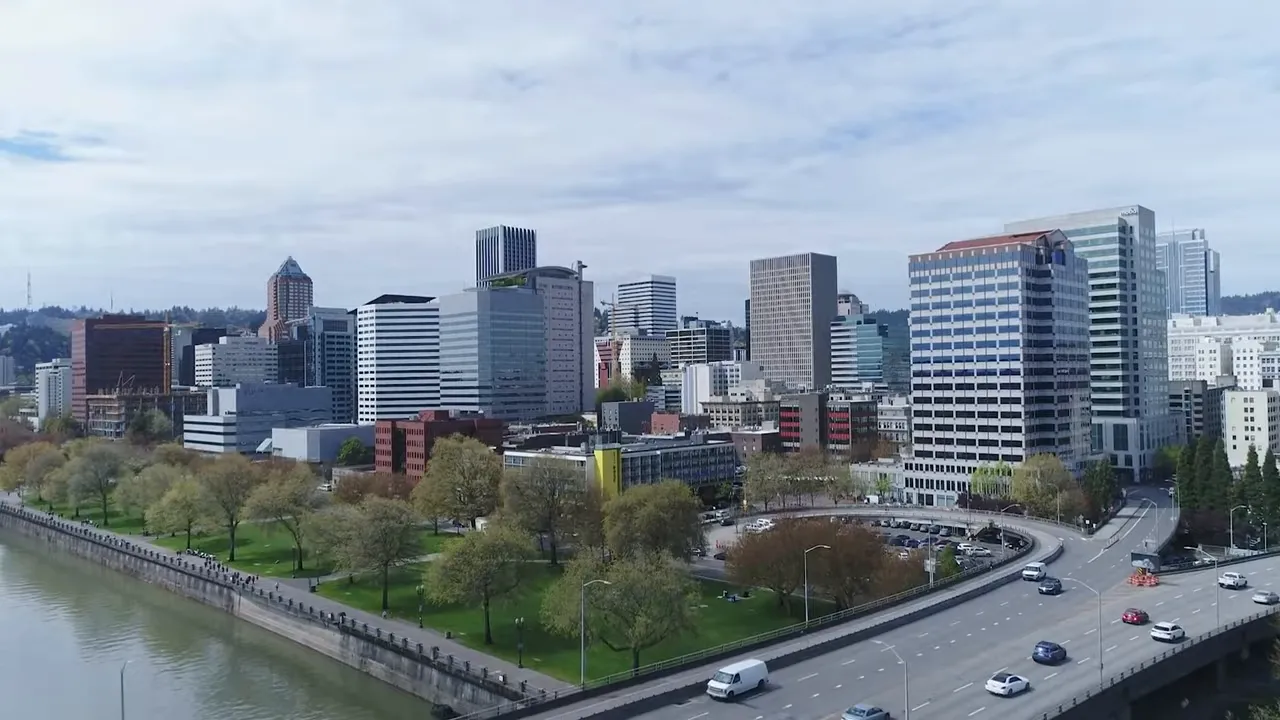
Yes, Portland is politically engaged. Very politically engaged.
In Portland proper, especially in certain neighborhoods, political signs, causes, and activism are part of the visual culture. That can be energizing to some people and exhausting to others.
There is also no question that Portland has a strong national reputation for being far to the left politically. Some of that reputation is fair. Some of it is exaggerated. And a lot of it depends on what part of the metro you are actually talking about.
Our take is that most people do not need to worry that they simply will not fit in. Portland is a big region, and the suburban areas in particular tend to feel less intense and less in-your-face than some of the more stereotypical core neighborhoods.
That said, experiences vary. Some people feel Portland is very welcoming. Others feel that if they do not align with the prevailing politics in certain circles, they are not as comfortable speaking freely. Where you live, where you work, and the types of communities you plug into can shape that experience a lot.
In general:
- Portland proper tends to feel more politically expressive
- West side areas outside downtown often feel a little more laid back
- Suburbs still have strong opinions, but usually less intensity
Portland Weather Overview
Anyone thinking about moving to Portland Oregon eventually asks about the weather.
And honestly, they should.
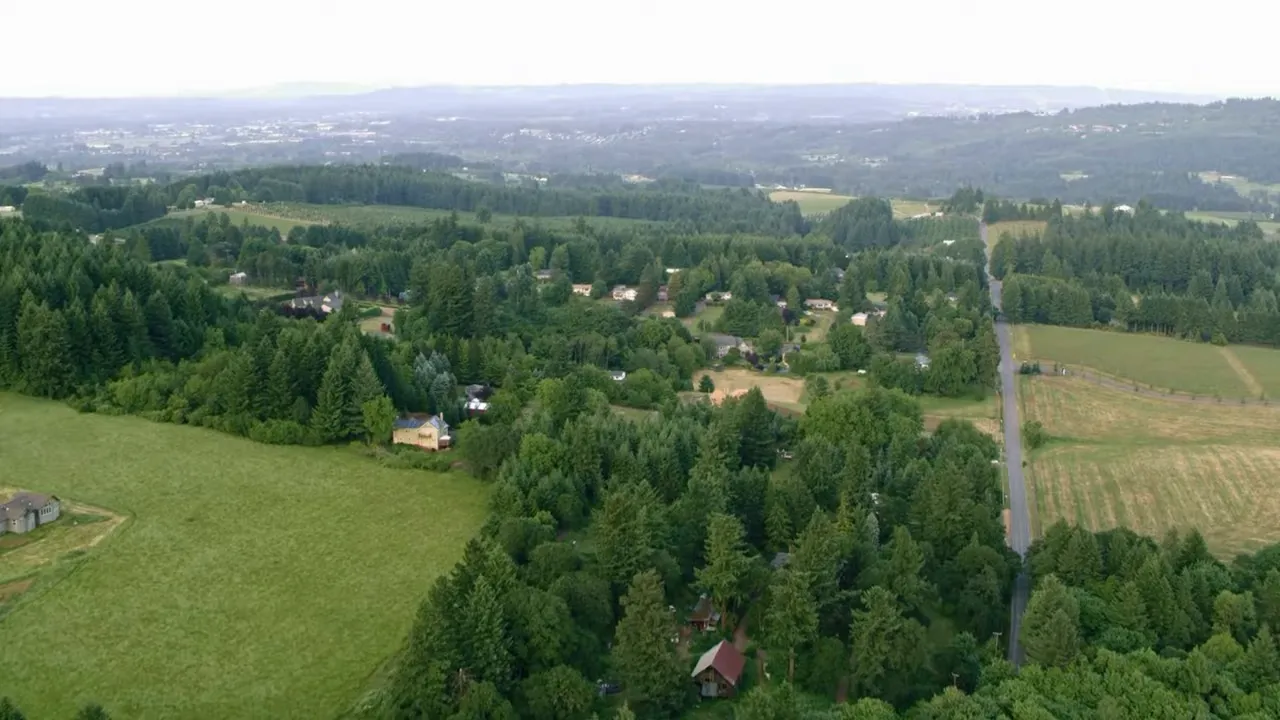
If you are coming from Phoenix, Southern California, or another place with constant sunshine, the gray season can be a shock. Portland gets plenty of rain, plenty of cloud cover, and a lot of overcast days from late fall through early spring.
But there is another side to that tradeoff.
Portland also has a relatively mild climate. You generally avoid the prolonged deep freezes of colder parts of the country and the nonstop extreme heat some warmer regions deal with. The weather swings less toward brutal extremes and more toward long stretches of gray and damp.
The payoff is that when late spring, summer, and early fall hit, the city can be absolutely fantastic. Those warmer months are a major reason so many people love it here. The greenery, the trees, the parks, the neighborhoods, and the outdoor access all make a lot more sense when the weather turns.
A few things to keep in mind:
- Every year feels a little different
- Some winters are milder than expected
- Some summers are better than others
- Most people here still complain in every season anyway
That last part is part of the local culture. By summer, everyone says it is too hot. By winter, everyone says they cannot wait for sun again. It is a very Portland cycle.
Buying a House in 2026
If moving to Portland Oregon includes buying a home, the biggest factor to understand is interest rates.
The market frenzy of 2021 and 2022 was driven heavily by historically low rates. Prices shot up fast. Then rates climbed sharply, affordability changed, and the market cooled off.
Portland followed the same broad pattern seen across much of the country. It had a huge run-up, then a slowdown, then a period of relative stabilization.
As rates have started to move down again, the expectation is that activity will pick back up. That likely means:
- More buyers entering the market
- More sellers finally listing their homes
- More competition than the last couple of years
- A faster pace, especially in spring and summer
There is a lot of pent-up demand on both sides. Many buyers have been waiting for rates to improve. Many homeowners have been reluctant to give up their existing low-rate mortgage unless conditions got better.
If rates hold where they are or continue to drift down, a more active market in 2026 is the logical expectation.
Downtown Portland Update
This is one of the hardest topics to talk about honestly, but it matters.
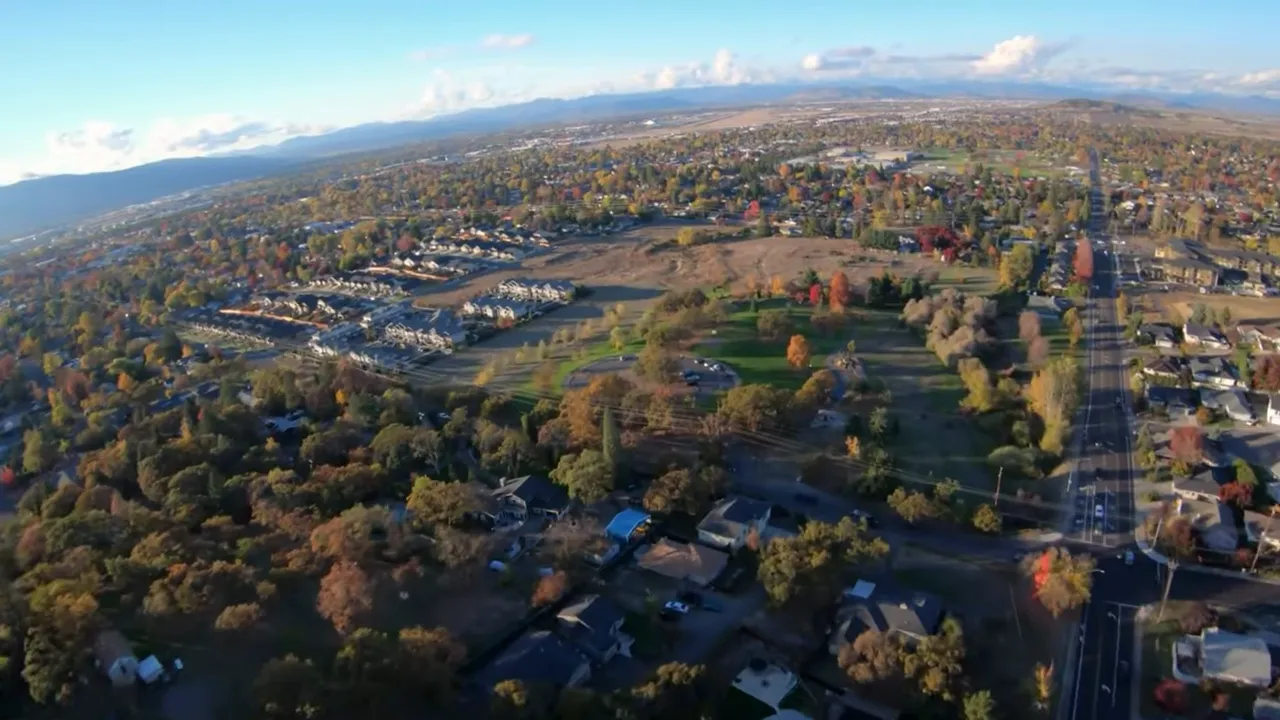
Downtown Portland has taken a real hit over the past several years. COVID, crime concerns, homelessness, remote work, rising rents, rising taxes, and lower foot traffic have all contributed to a much weaker urban core than Portland had before.
At this point, downtown’s commercial vacancy issues are well documented. You can still go downtown and find restaurants, events, and active pockets. It is not a ghost town. But it also does not feel especially bustling compared with what a healthy downtown core should feel like.
At the same time, there are reasons for cautious optimism.
There is more public recognition now that these problems need real solutions. There is more pressure on decision-makers. And there are signs that efforts around services, public order, and getting people back into the city are at least moving in a more serious direction than simple cosmetic fixes.
Anecdotally, there are signs of life returning. Holiday events have drawn strong crowds. More people seem willing to come into the city for performances, festivals, and dining. That does not mean all the problems are solved. It does mean Portland still has a pulse, and for many people, that matters.
The practical takeaway is this: if you are moving to Portland Oregon, do not assume the most dramatic headlines define your day-to-day life. They do not. There are absolutely areas where these issues are more visible. There are also many neighborhoods and suburbs where they will have little impact on your daily routine or sense of safety.
Who Lives in Portland
For some people, the biggest question behind a move is simple: Will I fit in?
Portland’s demographics help tell part of that story.
One interesting detail is age. Portland has an unusually large share of people in the 35 to 49 range, with a median age around 38. That gives the city a different feel than places dominated by college students or a nonstop wave of fresh graduates.
Portland does not necessarily feel like a city trying to define what is cool for the entire country. It feels more like a city made up of professionals, families, young parents, and established adults trying to build a lifestyle.
Racial demographics are also worth understanding. Portland is notably less diverse than many major U.S. cities, and that is part of the region’s broader history. Census figures cited place Portland at about 67% white, which makes it one of the least racially diverse major cities in the country by that measure.
The broader breakdown referenced includes:
- White: 67%
- Hispanic or Latino: 11.3%
- Asian: 8.1%
- Black or African American: 5.8%
- Two or more races: 11.3%
- American Indian or Alaska Native: 0.8%
- Native Hawaiian or Pacific Islander: 0.5%
Those numbers do not tell you everything about what Portland feels like culturally, but they do provide context. Portland tends to see itself as welcoming, progressive, and accepting, and many people genuinely experience it that way. At the same time, its demographic reality does not always match the image people may have in their heads.
FAQs About Moving to Portland Oregon
Is moving to Portland Oregon a good idea in 2026?
It can be a great move if the region matches your priorities. Portland offers strong neighborhood character, excellent access to the outdoors, a wide range of suburban and urban living options, and a generally mild climate. The tradeoffs are higher taxes, a slower pace than larger West Coast cities, and an urban core that is still recovering.
What is the biggest surprise for people moving to Portland Oregon?
Usually it is one of two things: how much variety there is across the metro, or how much taxes can affect the financial picture. A lot of people also underestimate how much the gray season changes daily life if they are coming from sunnier climates.
Is Portland more urban or suburban?
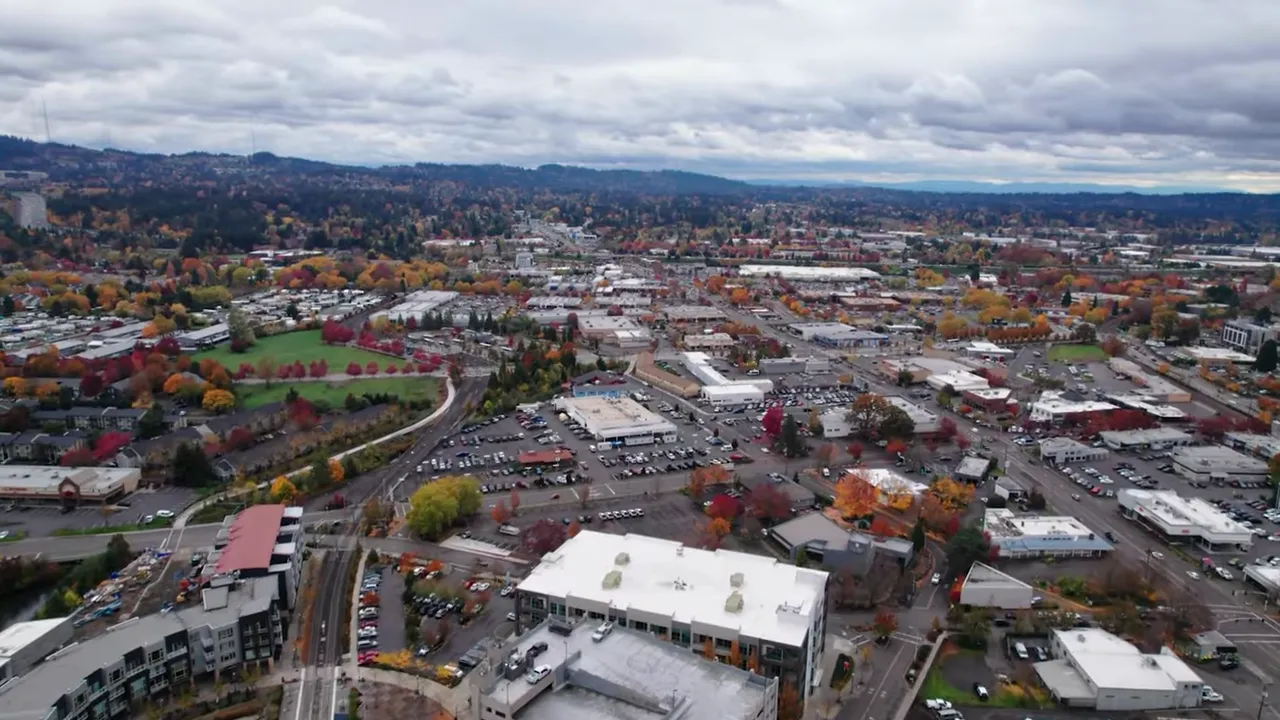
It is both. Portland proper has true urban neighborhoods and close-in residential areas with lots of character, while the surrounding metro has extensive suburban options like Beaverton, Hillsboro, Tigard, Happy Valley, and others. That range is one of the region’s biggest strengths.
Are taxes really that high in Portland?
They can be, yes. Oregon has no sales tax, but state income taxes are high, property taxes can be significant, and local Portland-area taxes can add to the burden. Anyone moving here should run the numbers carefully based on income and exact location.
What is the best part of moving to Portland Oregon?
For many people, it is the lifestyle. Portland offers easy access to parks, green space, neighborhood business districts, and outdoor recreation. If you want a place where daily life can feel a little more connected to nature and local community, Portland does that well.
Is Portland weather as bad as people say?
That depends on what you are used to. Portland gets a lot of gray days and plenty of rain, especially from fall through early spring. But it also avoids many of the severe weather extremes found elsewhere, and the late spring through early fall stretch can be excellent.
Final Thoughts
Moving to Portland Oregon makes a lot of sense for the right person. The key is understanding what Portland is and what it is not. It is not the biggest city. It is not the flashiest city. It is not a perfect city. But it is a place with real personality, a lot of livability, and a metro area that gives people more choice than they often expect.
If you come in with clear expectations about neighborhoods, taxes, weather, housing, and culture, you give yourself a much better shot at loving where you land. Ready to make your move with confidence? Call or text 503-925-5645 to talk through neighborhoods, timing, and next steps.
READ MORE: Best Places to Live on the Oregon Coast: Towns & Trade-Offs