Living on the Oregon Coast in 2025 still offers the same big draw it always has: incredible scenery, smaller towns, easy access to the beach, and a lifestyle that feels different from most places in the country. But if we are being honest, a few things are shifting, and they are worth paying attention to if we are thinking seriously about living on the Oregon Coast.
Some of those changes are practical. Weather has gotten a little less predictable. Road conditions matter more than people assume. Insurance has become a bigger part of the home buying conversation. Mortgage rates are staying stubbornly high. And on the fun side, there is still plenty happening up and down the coast, from glass float hunts to seafood festivals to major summer celebrations.
If we are looking ahead at living on the Oregon Coast this year, the smart approach is not to panic and not to romanticize it either. It is still a fantastic place to be. We just want to go in with clear eyes.
Table of Contents
- Why Living on the Oregon Coast Feels Different
- Oregon Coast Weather
- Roads, Power & Travel on the Oregon Coast
- Natural Risks of Living on the Oregon Coast
- Oregon Coast Real Estate Market
- Insurance Costs on the Oregon Coast
- Mortgage Rates and Home Affordability in Oregon Coast
- Best Events on the Oregon Coast
- Practical Tips for Living on the Oregon Coast
- Final Thoughts on Living on the Oregon Coast
- FAQs About Living on the Oregon Coast
Why Living on the Oregon Coast Feels Different
The biggest theme for 2025 is that a lot of the old assumptions do not always hold up quite like they used to. We still have the classic coast experience. We still get beautiful towns, dramatic views, amazing beaches, and a slower pace. But living on the Oregon Coast also means we need to be a little more prepared for change than maybe we would have a decade or two ago.
That shows up in a few places:
- More unusual weather events
- More road issues and closures
- Higher insurance costs
- A real estate market that remains tight
- More planning required for travel, hiking, and events
None of that means the coast is losing what makes it special. It just means that living on the Oregon Coast today is a little less carefree from a logistics standpoint than some people expect when they first picture beach-town life.
EXPLORE HOMES FOR SALE IN THE OREGON COAST
Oregon Coast Weather
Weather is probably the most obvious place to start because it affects everything else. Usually, people moving to the coast expect rain, wind, and cool temperatures. That part is still true. But in recent years we have also seen conditions that feel a little more unusual for the area.
Snow is a good example. Traditionally, snow along the coast is rare, and when it does happen, it usually does not stick around. Lately, though, there have been times when accumulation was much more noticeable than many locals were used to.
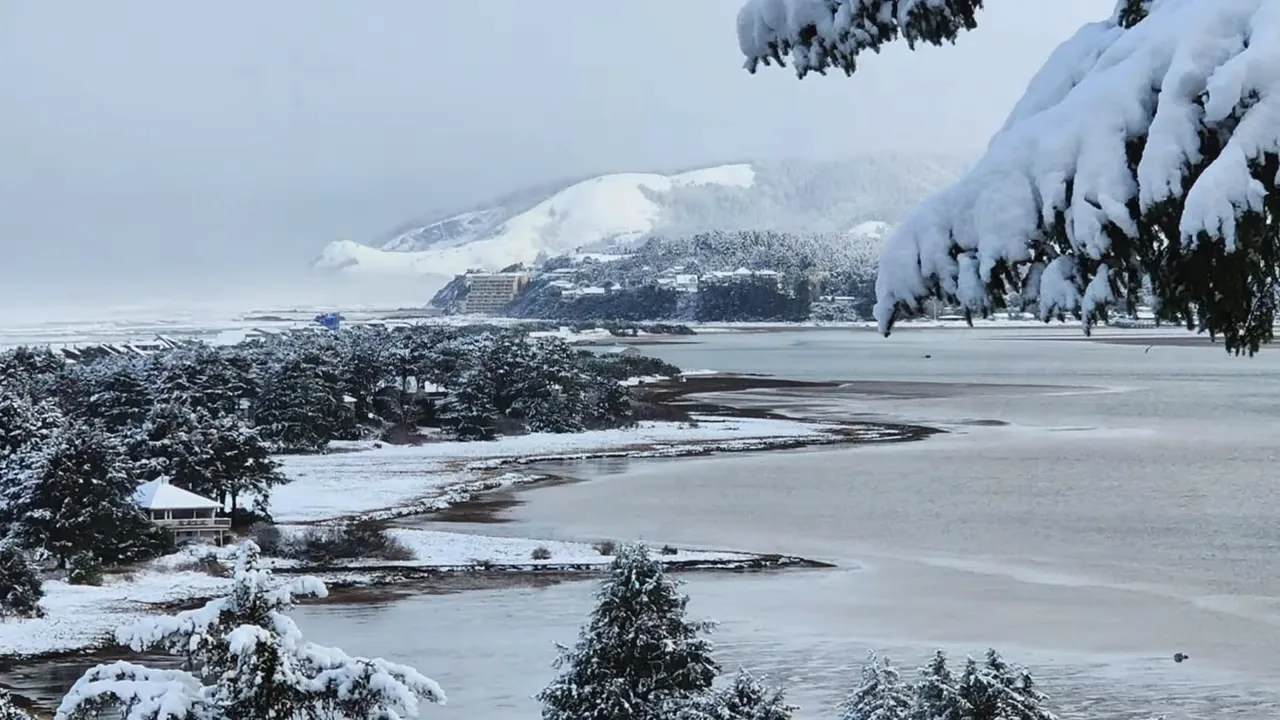
That does not mean we need to rush out and buy snow tires just for coastal living. But it does mean we should not assume winter travel is automatically easy. Many coastal towns are not flat. There is elevation, there are slopes, and when snow or ice shows up in the wrong place, driving can get sketchy fast.
The same goes for heading inland. If we are living on the Oregon Coast and need to drive toward Portland, the airport, or the Willamette Valley, we are crossing the Coast Range. Those elevations are high enough to pick up snow in winter, so checking road conditions before a trip is just smart. That is true whether we are heading north and south on Highway 101 or going over the range.
Storms are becoming a bigger part of the conversation
Another thing to keep in mind is wind. Big coastal storms are nothing new, but the impact can feel more disruptive when they bring down trees, damage roads, or knock out power. Some of that was especially noticeable over the last year, and it is reasonable to expect more of the same in 2025.
Roads, Power & Travel on the Oregon Coast
One of the less glamorous realities of living on the Oregon Coast is that road conditions matter a lot. Highway 101 is the main artery up and down the coast, and there are stretches that are just chronically rough. Not always potholes exactly, but uneven pavement, bumps, erosion-related damage, and spots where we really need to slow down.
In some cases, the issue is not a simple repair job. Coastal erosion and unstable ground can make permanent fixes difficult or impractical, so what we get instead is patchwork maintenance and periodic closures.
That means a quick trip can turn into a delay if there is road work, a storm-related closure, or debris in the roadway. It is one more reason trip checks matter.
Downed trees are part of the equation
Fallen trees are common enough on the coast, but after major storms they can pile up in a way that feels dramatic. When that happens, it affects traffic, power lines, and clean-up timelines. Areas near forested corridors can really feel it.
Power outages do happen, but usually not for long
When people think about storms, they often worry about extended outages. In most places along the coast, power outages tend to be relatively short. A few hours is much more common than multiple days. That said, if trees come down on lines or ice builds up, outages can happen.
Because of that, backup power is becoming a more common conversation than it used to be. A generator may not be essential for everyone, but it is no longer something only a tiny number of people consider.
Natural Risks of Living on the Oregon Coast
When people consider living on the Oregon Coast, there are a few natural hazard questions that come up over and over.
Forest fires
This one surprises a lot of people from drier parts of the West. Along much of the coast, major wildfires are not the defining threat they are in inland Oregon or California. The coast gets enough moisture that fire is usually much less of an issue. Some parts are essentially rainforest conditions.
Small fires can happen, and smoke can occasionally be visible, but prolonged, massive coastal wildfire events are not generally the norm.
Tsunamis
This is the one that gets a lot of attention, and understandably so. If we spend time driving around the coast, we are going to notice tsunami evacuation signs. There have been tsunamis on the Oregon Coast in modern memory, but they have generally been small.
The larger concern people talk about is the major subduction zone event often referred to as the big one. That is the scenario tied to a major offshore earthquake that could create serious damage along the coast.
There was also recent chatter about an underwater volcano far offshore. The key point there is that it is too far out and too deep to create the kind of tsunami event people tend to imagine from dramatic headlines.
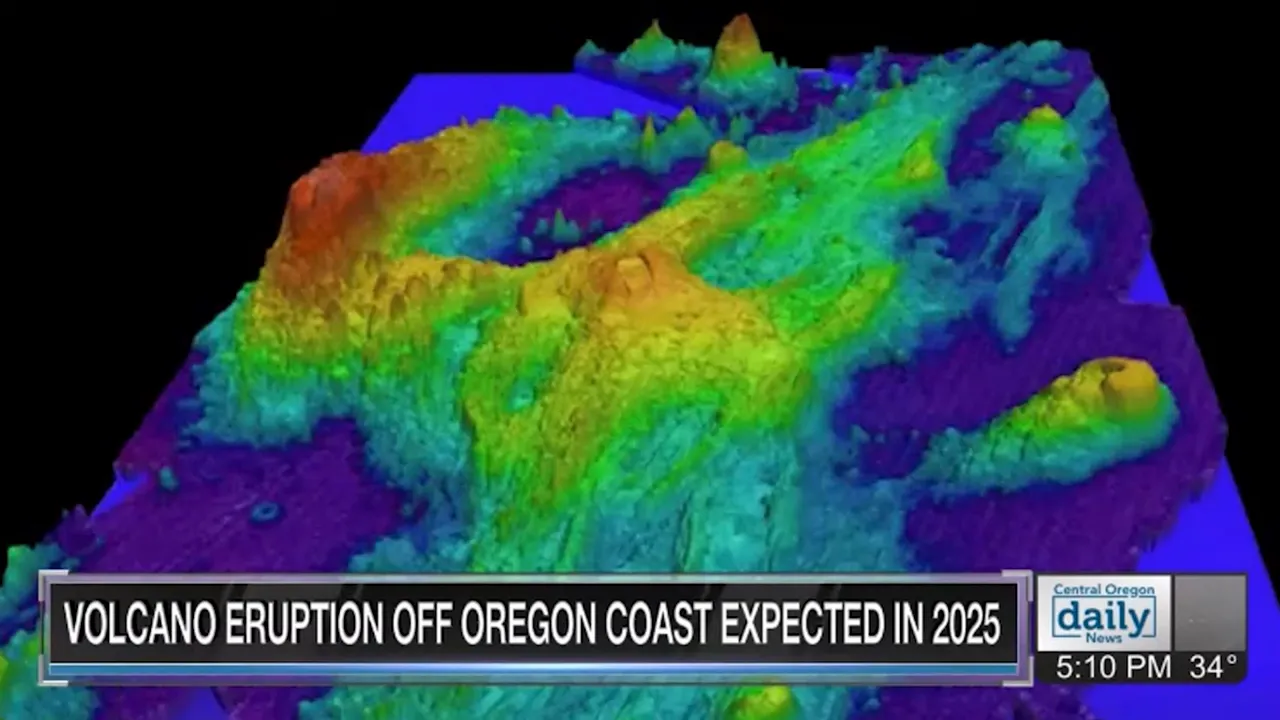
So yes, tsunami awareness is part of living on the Oregon Coast. No, every offshore geology headline is an immediate reason to panic.
Oregon Coast Real Estate Market
If we are talking about living on the Oregon Coast in practical terms, real estate is a major piece of the puzzle.
The broad expectation for 2025 is not a dramatic reset. Instead, we are likely looking at more of the same conditions we saw in 2024. That means:
- Still relatively low inventory
- Affordability pressure from higher rates
- Some buyers staying on the sidelines
- Sellers not especially eager to give up older low-rate mortgages
That last point matters a lot. Many homeowners locked in rates around 3 to 4 percent in prior years. A lot of them are not thrilled about selling and stepping into a mortgage closer to 7 percent. That helps keep inventory tight.
So for buyers, the market can still feel competitive in the right pockets even when demand overall is softer than it might otherwise be.
The coast has its own twist
One thing that makes the coast a little different is the presence of retirees and cash buyers. Nationally, cash deals are a bigger chunk of the market than many people realize, and that share can be even more noticeable in coastal communities.
Cash buyers are not directly affected by mortgage rates. In some cases, higher rates actually help them because there is less financed competition. That gives certain segments of the coastal market a different feel than areas driven mostly by first-time buyers.
Insurance Costs on the Oregon Coast
This is probably one of the biggest practical changes for anybody buying a home in 2025.
For a long time, homeowners insurance was often treated as one of those final checklist items. We would get near closing, line up a policy, and move on. That is not really the world we are in now.
Insurance costs have gone up sharply, and in some places buyers are finding coverage harder to secure than expected. Along the coast, flood exposure is one of the big issues. We do not typically need to stress over wildfire the same way inland markets do, but water is a real factor.
If a property sits in a flood zone and financing is involved, flood insurance may be required by the lender. That can change the monthly payment enough to matter in a serious way.
For anyone thinking about living on the Oregon Coast, insurance should be part of the early due diligence, not the last-minute paperwork.
What to check early
- Whether the property is in a flood zone
- What the estimated homeowners insurance premium looks like
- Whether flood insurance will be required
- How the total monthly payment changes once insurance is included
That is just smart buying in 2025.
Mortgage Rates and Home Affordability in Oregon Coast
A lot of people expected rates to be lower by now. The surprise has been that even with Federal Reserve cuts, mortgage rates have stayed higher than many predicted.
Part of the reason is that mortgage rates are influenced by more than just the Fed. Markets often price in expected changes before they happen. On top of that, the 10-year Treasury yield plays a major role because it competes with mortgage-backed securities for investor attention.
So even if short-term policy rates move lower, mortgage rates do not always drop in lockstep. That helps explain why many buyers are still dealing with financing costs that feel elevated.
The general expectation is that rates could ease somewhat through 2025, but nobody should assume a dramatic plunge. A modest improvement is one thing. A return to ultra-low rates is another.
Best Events on the Oregon Coast
One thing we should definitely not get wrong is the idea that coastal life is boring. Yes, some towns are quiet. That is part of the appeal. But there are also a lot of recurring events, community traditions, and seasonal draws that keep the calendar pretty active.
Lincoln City glass floats
This is one of the most popular traditions on the coast. People head to Lincoln City to search for hand-blown glass floats hidden along the beaches. In 2025, the program marks its 25th anniversary, and that comes with extra excitement and more floats being put out.
For people who love scavenger-hunt energy mixed with beach walking, this one is hard to beat.
Newport Seafood and Wine Festival
Newport ’s seafood and wine festival remains one of the better-known annual events on the coast. It may not be quite as massive as it once was before 2020, but it is still a major draw and still brings plenty of energy into town.
If we want the festival atmosphere without quite as much intensity, Astoria ’s version can be a smaller alternative.
Seaside volleyball and Hood to Coast
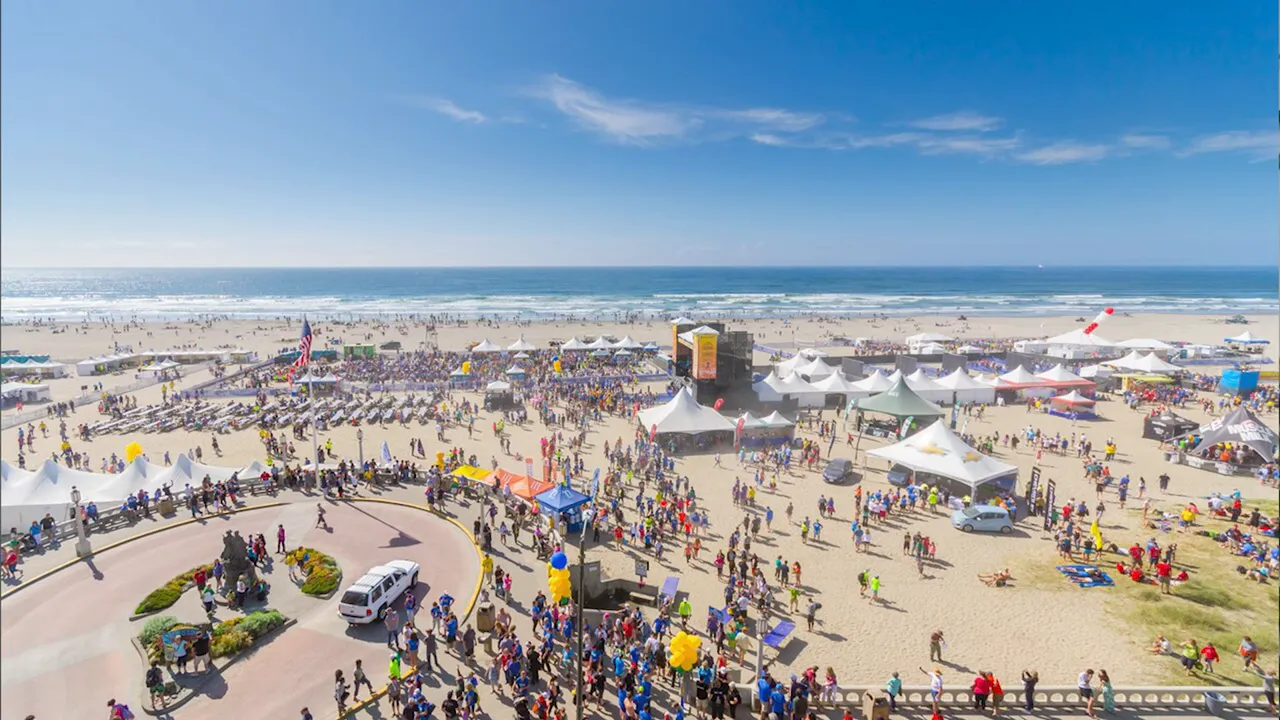
Seaside hosts a major volleyball tournament every year, and Hood to Coast finishing in Seaside is another big event that puts a lot of energy into the north coast.
Fourth of July on the coast
Fourth of July is a big deal all along the coast. Many of the medium-sized and larger towns have parades, celebrations, and fireworks. Because fireworks are banned in Portland, even more people head west for the holiday than they used to.
That means more energy, more traffic, and plenty of fireworks activity. It also means a lot of beach-town summer atmosphere. People often worry about the mess, but in many places cleanup is handled better than outsiders might expect.
Other standout events
- Cannon Beach sandcastle contest
- Circles in the Sand in Bandon
- Reedsport chainsaw carving championship
- Farmers markets in many towns during the warmer months
Practical Tips for Living on the Oregon Coast
One smaller but useful thing to note is that hiking and recreation access can require more planning than it used to. In the past, a lot of Oregon trailheads were pretty simple. Show up, pay a small parking fee, and go.
Now we are seeing more reservation systems, more advanced planning requirements, and in some cases higher fees. So if part of why we are considering living on the Oregon Coast is access to the outdoors, that access is still there. We just want to check the details before heading out.
That applies not only to popular inland destinations but to recreational areas throughout Oregon as a whole.
Final Thoughts on Living on the Oregon Coast
Overall, living on the Oregon Coast in 2025 still looks pretty appealing. The beauty is still there. The communities are still distinctive. The slower pace is still real. The beach access, the local events, the seafood, the scenery, and the sense of space are all still major reasons people keep making the move.
At the same time, it helps to be realistic.
We want to think through weather, winter travel, road conditions, insurance, and financing. We want to understand that inventory may stay limited. We want to know that some risks are overhyped while others, like flood insurance or storm-related logistics, deserve real attention.
If we approach it that way, living on the Oregon Coast can still be exactly what many people hope it will be. Not perfect, not static, but very much worth it for the right person.
EXPLORE HOMES FOR SALE IN THE OREGON COAST
FAQs About Living on the Oregon Coast
Is living on the Oregon Coast a good idea in 2025?
For many people, yes. Living on the Oregon Coast in 2025 still offers great scenery, strong community character, and a unique pace of life. The main thing is going in prepared for higher insurance costs, limited housing inventory, and occasional weather or road disruptions.
Does it snow much on the Oregon Coast?
Usually not much, and historically it has often been brief. But recent years have brought more noticeable snow events in some areas, so it is wise to be prepared for occasional winter driving challenges, especially when crossing the Coast Range.
Are power outages common when living on the Oregon Coast?
They do happen, usually after storms or when trees fall on power lines, but many outages are restored within hours rather than days. Some homeowners are starting to consider generators more seriously than they used to.
Are forest fires a big risk on the Oregon Coast?
Not usually compared with inland Oregon or California. The coastal climate is much wetter, which greatly reduces wildfire risk in most coastal areas. Small fires can occur, but major long-duration coastal wildfire events are not typically the main issue.
What is the biggest real estate challenge for living on the Oregon Coast in 2025?
The biggest challenges are still affordability, limited inventory, and insurance costs. Mortgage rates remain high enough to affect buying power, and some sellers are holding onto homes because they do not want to give up older low-rate mortgages.
Why is insurance such a big deal on the Oregon Coast now?
Insurance premiums have risen sharply, and flood exposure can be a key issue for some coastal properties. Buyers using financing may be required to carry flood insurance in certain zones, which can significantly affect the total monthly payment.
What are some popular annual events for people living on the Oregon Coast?
Some of the best-known events include the Lincoln City glass float hunts, the Newport Seafood and Wine Festival, major Seaside events, Fourth of July celebrations up and down the coast, Circles in the Sand in Bandon, and seasonal farmers markets in many towns.
If you’re considering buying a home along the Oregon Coast, I’d love to help you map out next steps—weather, roads, insurance, and all. Call/text (503) 974-0567 or book a FREE consultation here.
Tell me what you’re looking for and where along the coast you’re considering, and I’ll help you figure out the best path forward.