When people talk about living in Portland Oregon, the conversation usually goes in familiar directions. Neighborhoods. Housing prices. Commute times. Schools. Food. Politics. Homelessness. Weather. The job market. All of that matters.
But every city also has a few things that go deeper than logistics. They shape the identity of the place. They help people feel like they belong to something shared. In Portland, one of the biggest of those institutions is the Portland Trail Blazers.
And if Portland ever lost the Blazers, I really do think it would say something profound and painful about where the city is headed.
This is not just about basketball. It is about culture, civic pride, economics, and whether Portland can still hold onto the institutions that connect people across income levels, neighborhoods, and backgrounds. For anyone considering living in Portland Oregon, that matters more than it might seem at first glance.
Table Of Contents
- Why Living in Portland Oregon Matters in This Debate
- Why the Portland Trail Blazers Are Bigger Than Sports in Portland Oregon
- What’s Happening With the Moda Center in Portland Oregon
- Why Portland Oregon City Leaders Are Facing Tough Decisions
- The Economic Impact of the Trail Blazers on Portland Oregon
- The Cultural Importance of the Trail Blazers in Portland Oregon
- What Losing the Trail Blazers Could Mean for Portland’s Future
- What a Real Solution for the Moda Center in Portland Oregon Should Look Like
- How This Could Affect Living in Portland Oregon Long-Term
- FAQs About Living In Portland Oregon And The Trail Blazers
- Final Thoughts on Portland Oregon’s Identity and Future
Why Living in Portland Oregon Matters in This Debate
If you are thinking about living in Portland Oregon, it helps to understand the difference between a city’s amenities and a city’s identity.
Amenities are the things you can list on a brochure. Identity is what people carry with them. It is what they talk about with neighbors, what they remember from childhood, what ties the suburbs to the city and the city to the rest of the state.
Portland does not have an endless list of institutions that unite everybody. In fact, it feels like there are fewer of those shared through-lines than there used to be. That is one reason this issue hits so hard.
The Blazers are one of the last things in Portland that still cut across almost every category. Longtime residents. Newcomers. People in the city core. People in the suburbs. Wealthy households. Working families. People who follow every game. People who barely care about sports but still know what the team means here.
So when people hear whispers about ownership, arena funding, renovations, and the possibility of relocation, the reaction is not just concern about entertainment. It is concern about whether Portland is capable of protecting one of the few institutions that still feels distinctly Portland.
VIEW HOMES FOR SALE IN THE PORTLAND METRO
Why the Portland Trail Blazers Are Bigger Than Sports in Portland Oregon
Plenty of people moving to the area are not NBA fans. That is fine. You do not need to love basketball to understand what the Blazers represent.
For a long time, they were Portland’s only major league franchise. That matters. It meant the team became woven into everyday life in a way that is hard to explain unless you have been around it for years.
There is history here. The team has been part of the city for more than half a century. There is nostalgia here too. Generations grew up with Blazers references showing up in ordinary places, from local promotions to everyday products. It was never just a team people followed from a distance. It felt local, familiar, and embedded in the rhythm of life here.
Even now, when Portland has more going on in the sports world than it used to, the Blazers still occupy a different category. The Timbers absolutely matter. But the Trail Blazers are tied to Portland’s identity in a uniquely deep way.
That is why losing the team would not feel like a normal business transaction. It would feel like part of the city’s civic soul got stripped out.
- Historical significance: more than 50 years in Portland
- Regional reach: support extends well beyond the city limits
- Cross-demographic appeal: fandom cuts across age, class, and geography
- Shared memories: the team is part of family stories and Portland traditions
- Civic symbolism: the Blazers represent continuity in a city that has changed dramatically
What’s Happening With the Moda Center in Portland Oregon
The immediate issue is the Moda Center.
The arena is roughly 30 years old and needs major renovations. The estimated cost being discussed is around $600 million. That is not a small upgrade. That is a serious capital project.
The state of Oregon has already committed a large portion of that amount, roughly $350 million, which leaves the city dealing with the remaining gap.
That would already be a difficult conversation under normal circumstances. But it gets more complicated because the team is under new ownership, and there are concerns about what that ownership group might do if a renovation deal does not come together.
The speculation is not that the team would leave tomorrow. The current lease runs through 2030. But for Portlanders, even hearing relocation discussed at all is jarring. This has never felt like a realistic possibility in the way it suddenly does now.
And there is another important piece people sometimes miss. The Moda Center is not just a basketball arena. It is a major event venue. Big concerts come through there. Other major events come through there. The building supports far more than one sports schedule.
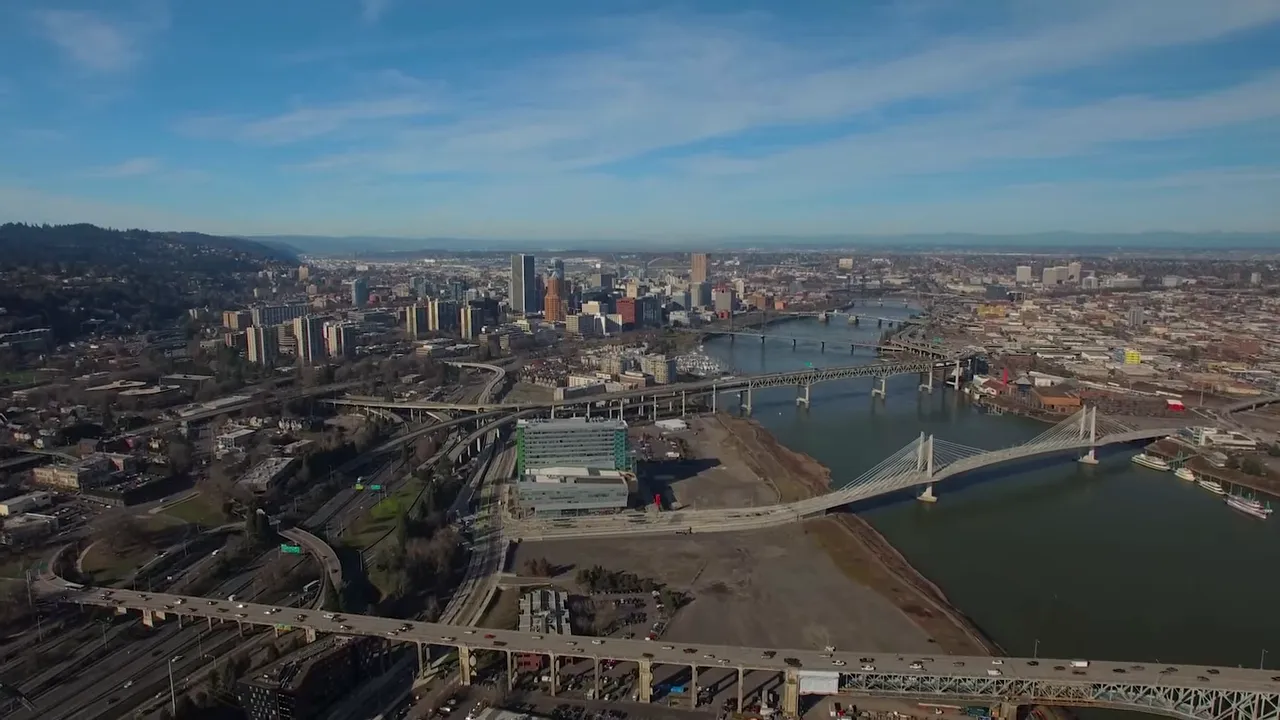
So the question is not simply whether Portland wants to spend money on a basketball team. The real question is whether the city is willing to invest in one of its most important pieces of civic and entertainment infrastructure.
Why Portland Oregon City Leaders Are Facing Tough Decisions
It is easy to understand the pushback.
Portland has real problems. Serious ones. Budget shortfalls. Public safety concerns. Homelessness. Addiction. Questions about how public money is being used and whether existing programs are effective. Those are not side issues. Those are central issues.
So when people hear that hundreds of millions of dollars may need to go toward renovating an arena, the first reaction for many is going to be skepticism.
That skepticism is not irrational. In fact, a lot of it is completely understandable. If a city is struggling with visible human suffering and unresolved structural problems, it can feel tone-deaf to prioritize sports and concerts.
That is why this cannot just be pitched as a simple arena subsidy and expected to pass on sentiment alone.
For this to make sense politically and practically, city leaders would need to show that preserving the Moda Center and keeping the Blazers in Portland is not in conflict with serving residents. The case has to be that it supports the broader city, including the people who are often said to be top priorities.
The Economic Impact of the Trail Blazers on Portland Oregon
Even if you strip the emotion out of it, there is a strong economic argument for keeping the team and renovating the arena.
The Moda Center brings people into the city. A lot of them. Not only for games, but for concerts and other large events throughout the year.
That activity supports a whole ecosystem:
- arena employees
- vendors
- security workers
- contractors
- transit usage
- bars and restaurants nearby
- other surrounding businesses that benefit from event traffic
There is also the tax revenue side of the equation. While the exact long-term math can be debated, it is not hard to see how a major venue that regularly attracts thousands of people can generate meaningful economic return over time.
Could Portland survive without the Moda Center? Sure, technically. But the city would be poorer in more ways than one. Less activity. Fewer jobs tied to event infrastructure. Fewer reasons for people to come into the central city. Less momentum in the surrounding district.
And if Portland is already fighting a reputation problem, voluntarily allowing one of its key civic anchors to weaken would be a dangerous move.
The Cultural Importance of the Trail Blazers in Portland Oregon
The economic case matters, but I still think the cultural case is even bigger.
Portland has changed a lot over the last couple of decades. Some of that change has been good. Some of it has been frustrating. Some of it has made the city feel less stable and less recognizable to longtime residents.
In periods of change, people cling harder to what remains familiar. The Blazers are one of those constants.
That kind of continuity is valuable. Not in a vague sentimental way, but in a real civic way. Shared institutions create social glue. They give people common reference points. They help a place feel like a place instead of just a collection of apartments, restaurants, politics, and headlines.
That is especially important in a city whose national reputation has become increasingly negative.
Portland is still a city with a lot going for it. Many of the good things people have always loved about it are still true. But the outside perception has gotten worse year after year, and some of that is based on real struggles. If the city were to lose the Blazers on top of that, it would not just be disappointing. It would feel like confirmation that Portland cannot hold onto what matters.
What Losing the Trail Blazers Could Mean for Portland’s Future
For people considering living in Portland Oregon, this issue functions almost like a stress test.
Can Portland protect a major institution that supports jobs, activity, civic pride, and national relevance?
Can city leaders negotiate a deal that is responsible, transparent, and beneficial to the public?
Can the city show that it is still capable of doing big things without drifting into paralysis?
Those are the deeper questions here.
Portland already has a reputation problem when it comes to business climate. There is a growing sense that the city and the state are not particularly friendly to investment or growth. Businesses leaving or scaling back only reinforce that image.
If the city sleepwalked into losing its NBA team because it could not get a workable arena solution done, that would send a terrible message nationally and locally.
It would suggest:
- Portland cannot close major deals
- Portland cannot preserve important institutions
- Portland is willing to accept civic decline as normal
- Portland does not understand the value of cultural anchors
That may sound dramatic, but in this case I do not think it is. Losing the Blazers would be one of those moments people point back to for years.
What a Real Solution for the Moda Center in Portland Oregon Should Look Like
I do not think the answer is to blindly hand over money with no strings attached. If public dollars are going into the Moda Center, then the public should get real protections and real long-term value.
At minimum, a serious deal should include several things.
Long-Term Lease Protection
If Portland helps fund the arena, there should be strong guarantees that the team stays in Portland long term. Not vague assurances. Not hopeful messaging. Actual commitments.
Community Benefit Requirements
The Rose Quarter and surrounding areas, including Lower Albina and the Lloyd District, are part of a much bigger story. These are places tied to redevelopment, displacement, and long-running community concerns. Any major public investment should connect with broader neighborhood benefit.
Job Creation And Employment Standards
A renovation project of this size should produce visible short-term and long-term employment benefits. Construction jobs, operations, support work, and opportunities tied directly to the project should be part of the package.
Integration With Larger Redevelopment Goals
This should not be handled as an isolated arena fix. It should fit into a larger vision for the district so that public investment does more than preserve a building. It should support the surrounding area too.
Clear Accountability
People are understandably skeptical about public spending. A workable deal needs transparency, measurable benefits, and clear accountability so residents know what Portland is actually getting in return.
If city leaders are smart, they will not frame this as choosing between caring about residents and caring about the Blazers. The better argument is that a thoughtful deal can support both.
How This Could Affect Living in Portland Oregon Long-Term
Everybody has a threshold with a city.
You can tolerate some decline. You can accept some frustration. You can adapt to change. But there are certain moments that feel symbolic enough to tip the emotional balance.
For me, this is one of those issues.
If Portland lost the Trail Blazers, it would not just be about no longer having NBA basketball here. It would be about what that loss revealed. It would suggest the city no longer has the will, competence, or alignment to preserve one of the few institutions that still unites people.
And that would be hard to shrug off.
Again, that matters for anyone thinking about living in Portland Oregon. When you move to a city, you are not just buying into square footage and commute times. You are buying into its trajectory. Its stability. Its identity. Its sense of self.
The Blazers are part of Portland’s sense of self.
That is why this conversation matters so much more than it might appear on the surface.
VIEW HOMES FOR SALE IN THE PORTLAND METRO
FAQs About Living In Portland Oregon And The Trail Blazers
Why do the Trail Blazers matter so much to people living in Portland Oregon?
The Blazers are one of Portland’s strongest shared cultural institutions. They connect people across neighborhoods, income levels, and generations. For many residents, the team represents continuity in a city that has changed a lot.
Is this really about basketball, or is it about something bigger?
It is much bigger than basketball. This is about civic identity, jobs, downtown activity, major events, and whether Portland can protect institutions that still bring people together.
What is the issue with the Moda Center?
The arena needs major renovations estimated at around $600 million. The state has committed a substantial portion of that funding, but the city still faces a significant remaining cost, and that has created a serious debate about how to move forward.
Could the Trail Blazers actually leave Portland?
There is no public relocation deal in place, and the team’s lease runs through 2030. But the fact that relocation is even being discussed has raised alarm because that has not traditionally felt like a real possibility in Portland.
Why would this matter to someone considering living in Oregon?
If you are considering living in Oregon, especially in the Portland metro area, this issue offers insight into the city’s leadership, priorities, economic climate, and civic confidence. It is one of those local stories that reveals a lot about the broader direction of the region.
Why not spend that money on homelessness or other urgent problems instead?
That is a legitimate concern, and many people feel exactly that way. The strongest case for arena investment is not that those issues do not matter, but that keeping the Moda Center active supports jobs, business activity, tax revenue, and broader city stability. Any deal would need to show clear public benefit to justify the cost.
What should Portland require in exchange for public funding?
At a minimum, Portland should seek long-term lease protections, community benefit agreements, job commitments, and transparency around how the investment will support both the arena and the surrounding district.
Would losing the Blazers really affect Portland that much?
Yes. Economically it would hurt the district and event ecosystem around the Moda Center. Culturally it would be even worse. It would signal a major loss of civic identity and likely deepen concerns about Portland’s broader decline.
Final Thoughts on Portland Oregon’s Identity and Future
There are plenty of reasons people still choose living in Portland Oregon. The natural beauty is real. The neighborhoods are distinct. The food scene is excellent. The metro area offers a lot of lifestyle variety. But a city is more than its features. It also needs anchors.
That is why this situation matters. If Portland can find a smart, accountable way to renovate the Moda Center and keep the Blazers here, it would be more than a facilities deal. It would be a sign that the city still knows how to protect what makes it itself.
And right now, Portland could use more signs like that.
Ready to talk it through? Call me, Paul Clem today at 503-925-5645, or schedule a FREE consultation here.
READ MORE: The Complete Portland Oregon Relocation Guide: Cost, Neighborhoods & Lifestyle