Living in Portland Oregon still means access to beautiful scenery, great food, walkable neighborhoods, and that relaxed, slightly quirky culture the city has always been known for. But if you are seriously considering a move, you also need the fuller picture.
That is really the story right now. The good parts are still very real. The concerns are real too. And the biggest shift is not just that Portland has problems. It is that the problems people are talking about are changing.
For the last few years, the conversation around living in Portland Oregon has been dominated by homelessness, crime, safety, drugs, protests, and all the headlines that made Portland look like it was permanently off the rails. Those issues have not disappeared, but the public mood has clearly shifted. More people now seem focused on taxes, cost of living, housing affordability, and whether local leadership is delivering enough value for what residents pay.
If you want to understand living in Portland Oregon today, that is the balance to keep in mind. Portland is neither the travel-magazine fantasy nor the cable-news disaster zone. It is a real metro area with real strengths and real frustrations.
Table of Contents
- Living in Portland Oregon 2026 Update
- What It’s Like Living In Portland Oregon
- Portland Oregon Crime And Homelessness
- Portland Oregon Cost Of Living And Taxes
- Why People Are Leaving Portland Oregon
- Best Things About Living In Portland Oregon
- Should You Move To Portland Oregon
- FAQs About Living in Portland Oregon
Living in Portland Oregon (2026 Update)
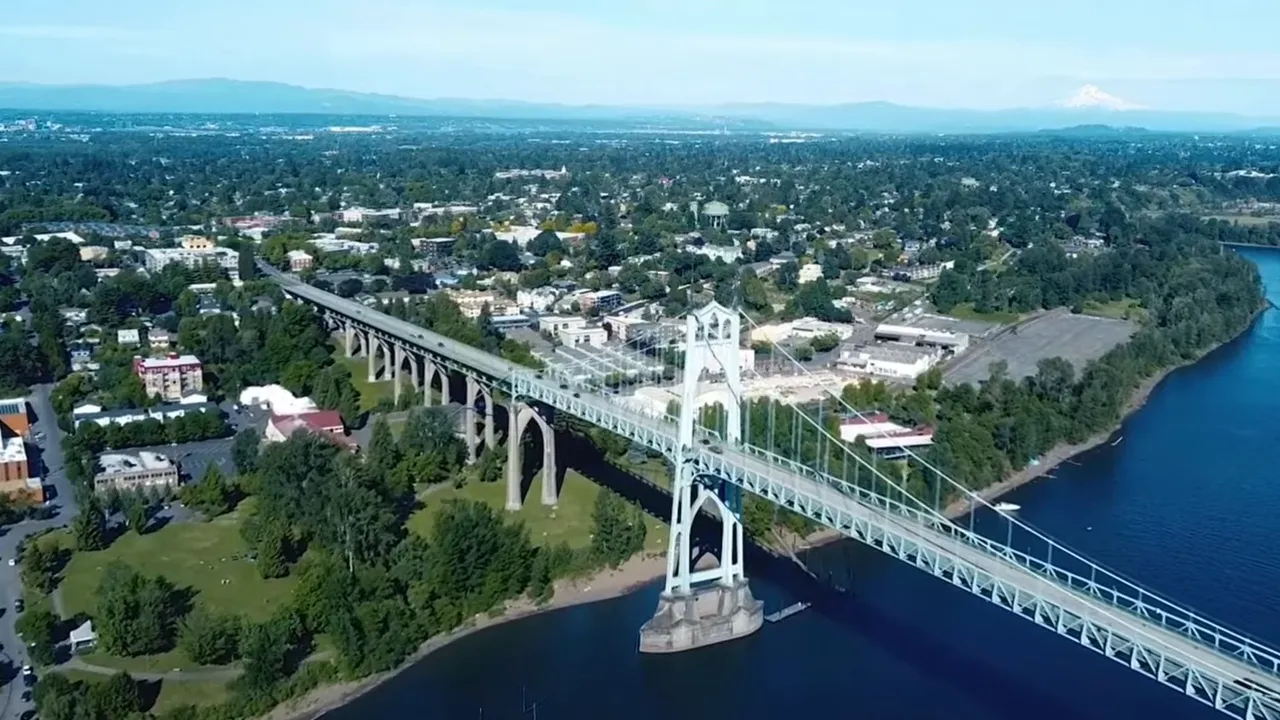
There has been some positive national attention on Portland again, including recent travel coverage putting the city back in the spotlight. That makes sense on one level. Spend a weekend here and it is easy to understand the appeal. The parks are beautiful. The food scene is still excellent. Coffee, cocktail bars, neighborhoods, shops, and easy access to the outdoors are all still major draws.
But visiting and living somewhere are obviously not the same thing. A city can be amazing for a long weekend and frustrating on a random Tuesday when you are dealing with taxes, housing costs, commute decisions, or neighborhood quality-of-life issues.
That is why public sentiment matters more than broad national narratives. If you want to know what living in Portland Oregon feels like right now, the better question is this: what are people who actually live in the metro area most concerned about today, and how is that changing?
The answer is more nuanced than it was a couple of years ago.
VIEW HOMES FOR SALE IN THE PORTLAND METRO
What It’s Like Living In Portland Oregon
One of the easiest mistakes people make is assuming Portland is one thing. It is not.
Living in Portland Oregon can mean a very urban, walkable neighborhood with coffee shops and restaurants around the corner. It can also mean a quieter suburban setup, or even a more small-town feel depending on which part of the metro area you choose. Your day-to-day experience changes a lot based on whether you are in Portland proper, Washington County, or Clackamas County.
That matters because the metro area is a patchwork of tradeoffs:
- Taxes vary depending on location
- Commute can look very different from one side of the river to the other
- Schools are not one-size-fits-all
- Safety and crime patterns differ by neighborhood
- Housing prices shift significantly across the region
- Culture and politics also change as you move around the metro
So when people ask what living in Portland Oregon is like, the only honest answer is that it depends on what kind of Portland experience you want. There really is something for a lot of different preferences. You can lean urban, suburban, outdoorsy, conservative, progressive, family-oriented, or neighborhood-focused and still find a fit somewhere in the metro.
Portland Oregon Crime And Homelessness
For several years, homelessness has been the top concern people associate with life in the region. And in the public mind, that issue tends to overlap with property crime, public safety, police presence, and drug use.
That does not mean everyone sees those as identical issues, but they clearly connect in how residents talk about daily life. When people feel uneasy about encampments, break-ins, visible addiction, or disorder in public spaces, those concerns start to blend together.
The important part is the trend. The most recent polling shows a significant drop in the share of people naming homelessness as the top issue. A couple of years ago, it was more than half of respondents. More recently, it dropped to about a third.
That is still the number one issue. So no, this is not a story about those concerns being solved. It is more a story about intensity coming down.
The same pattern shows up around crime and safety. The percentage of residents saying crime, safety, or lack of police presence is their top concern has also dropped meaningfully. At one point, that was near one in five respondents. More recently, it was closer to 7 percent.
That is a pretty major shift in tone. It suggests that while homelessness and safety remain issues in the region, fewer people feel they are the single biggest issue affecting life in the metro right now.
That is also why the outside reputation of Portland can lag behind the on-the-ground reality. Headlines tend to freeze a city in time. Daily life does not. Things can improve a little without becoming perfect, and that seems to be where Portland is at the moment.
Portland Oregon Cost Of Living And Taxes
This is where the conversation gets really interesting.
As concern over homelessness and safety has eased somewhat, other worries have moved up the list. The big three are:
- Taxes
- Cost of living and inflation
- Poor leadership or government management
Taxes, in particular, stand out. A few years ago, only a small share of residents named taxes as their top concern. Now that number has jumped enough that taxes outrank some of the issues that used to define Portland’s public image.
That is not hard to understand. The region has added new income taxes in recent years, especially at the metro and Multnomah County level. At the same time, inflation has put pressure on everything else. Even if inflation cools on paper, most people are still dealing with the actual prices they pay every month.
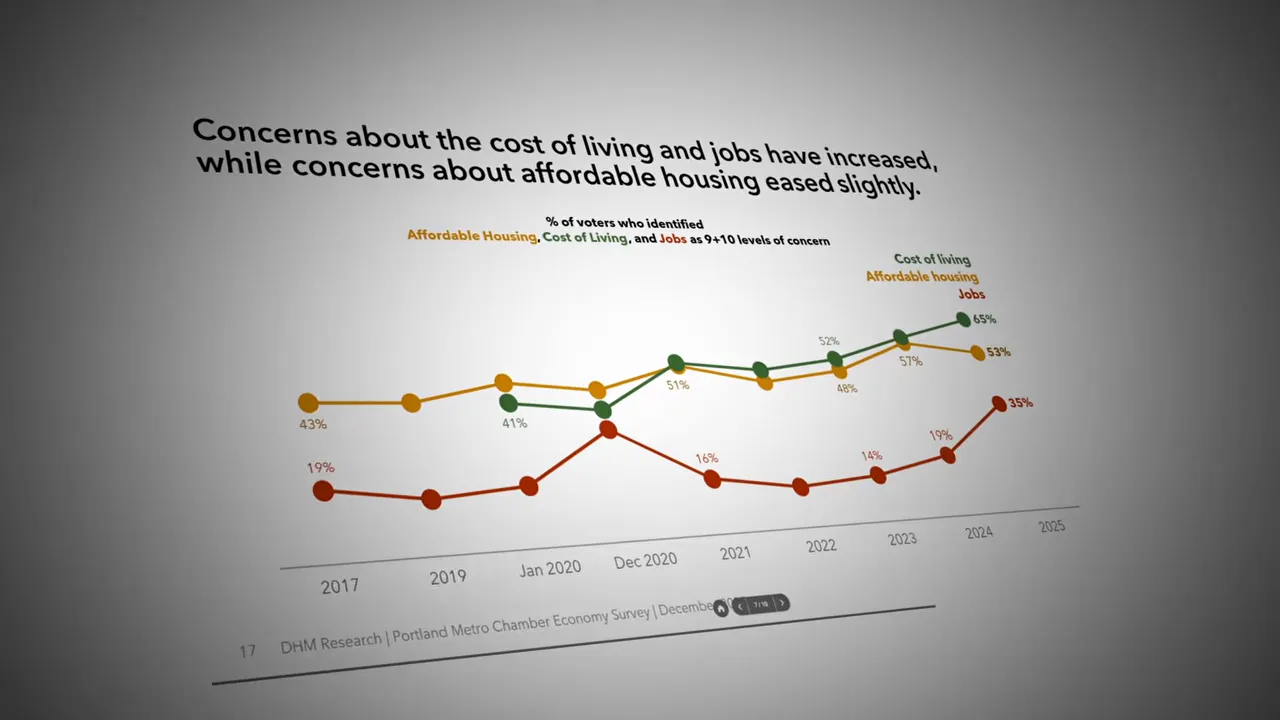
And then there is the leadership question. A sizable chunk of residents say poor leadership or weak government management is the top problem. That concern has bounced around over time, but it recently rose again to roughly one in five respondents.
That is really what ties all of this together. People are asking basic questions:
- Why is the tax burden so high?
- Why does everything feel more expensive?
- Are public programs delivering enough in return?
That does not mean Portland has suddenly become anti-tax. Historically, this is still a place where people are generally willing to fund schools, parks, transit, preschool, social services, and homelessness programs. But there is more skepticism than there used to be.
That skepticism seems to fall into two camps. One group simply feels the total tax burden is getting unaffordable. Another group may be able to pay it, but feels under-served relative to what they are paying for.
If you are thinking about living in Portland Oregon, this part matters a lot because it affects your budget in ways that are easy to underestimate. Housing is only one line item. Local tax structure can meaningfully shape your total cost of living depending on where in the metro you land.
Why People Are Leaving Portland Oregon
Another revealing piece of the data is migration intent. Quite a few respondents said they have at least considered moving out of the metro area. That does not mean they are packing boxes tomorrow. It means the idea is on the table.
That number is especially high among residents in Portland proper, where it approaches half of respondents. Again, that is not the same thing as actual outbound migration. But it is still significant. When that many people are at least toying with the idea, it tells you something about the level of frustration in the city.
And here is the big takeaway: among people considering leaving, taxes are the top reason.
That ranks ahead of homelessness. It ranks ahead of crime. It ranks ahead of a lot of the issues people outside the city assume would be the main trigger.
The second big reason is lower housing cost.
This is where context matters. Portland is still relatively affordable compared to other major West Coast cities. That part is true.
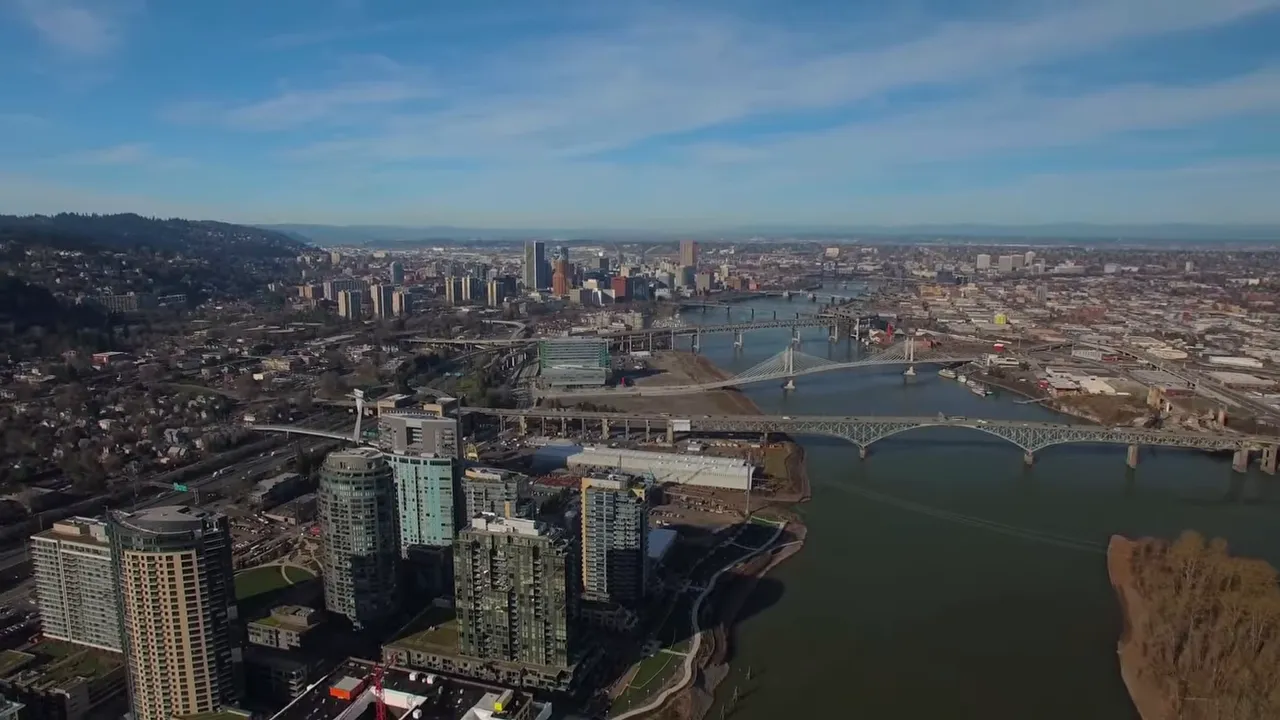
But relative affordability does not always feel affordable when you are the one paying the mortgage or rent. A person may compare Portland favorably to Seattle, San Francisco, or Los Angeles and still decide they could get more house for less money in Texas or the Midwest.
The third reason people mention is public safety. So yes, safety is still part of the story. It just is not the number one reason in the way many people might expect.
The overall pattern is clear. For many people living in Portland Oregon, the daily strain now feels more financial than symbolic. It is less about reputation and more about monthly reality.
Best Things About Living In Portland Oregon
Now for the other side of the coin, because this is why people keep coming here in the first place.
The best things about living in Portland Oregon have not gone away. If anything, they are the reason people are still willing to wrestle with the harder parts.
The metro still offers a really strong quality of life for the right person:
- Natural beauty all around you
- Access to the outdoors without needing a major expedition
- Distinct neighborhoods with their own personality
- Great food, coffee, and local culture
- Walkability in many parts of the city
- A more laid-back feel than many large metros

That last point is easy to overlook. Portland is a major metro area, but it still feels more approachable than a lot of coastal cities. There is room here for people who want culture without nonstop intensity.
That is also why quality-of-life rankings for Portland often stay stronger than the headlines would suggest. A city can have real flaws and still be a place people genuinely enjoy. Those two things are not mutually exclusive.
Living in Portland Oregon is often best for someone who values environment, neighborhood character, and lifestyle access as much as pure economic efficiency. If your priorities lean that direction, Portland still has a lot going for it.
Should You Move To Portland Oregon?
The short answer is maybe, but do not make the decision based on a single story.
If all you read is glowing travel coverage, you will get an incomplete picture. If all you read is negative national coverage, you will also get an incomplete picture.
The better approach is to compare the specific areas of the metro against your own priorities.
Ask practical questions like:
- What kind of tax burden am I comfortable with?
- How important is proximity to the city core?
- Do I want walkability or more space?
- What matters more to me, neighborhood vibe or maximum house for the money?
- How much do schools, commute, and political climate matter?
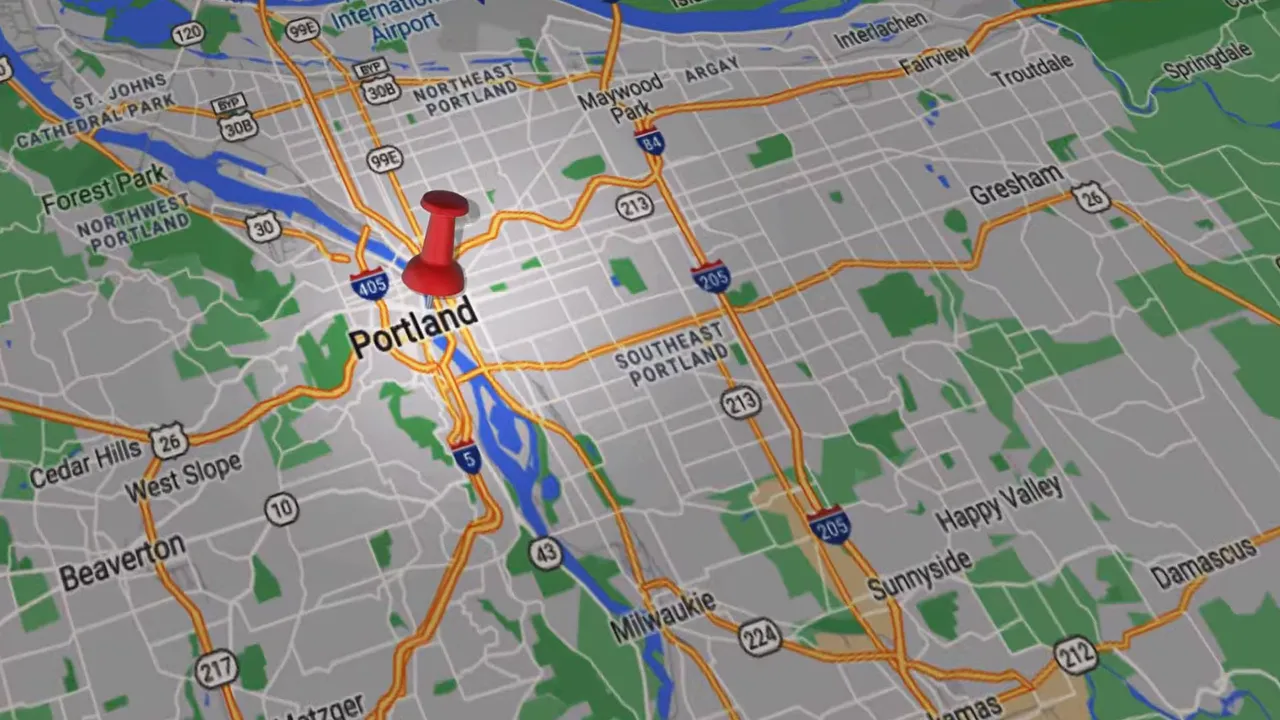
That is really the key to evaluating living in Portland Oregon. Not whether Portland is universally good or bad, but whether a particular part of the metro lines up with your budget, your timeline, and what you actually want your daily life to feel like.
Portland still seems to be in a transitional period. There are signs of improvement, especially around the intensity of public concern over homelessness and safety. There are also clear warning signs around affordability, taxes, and trust in leadership. Both can be true at the same time.
So if Portland appeals to you for the same reasons it has appealed to people for years, the outdoors, the culture, the neighborhoods, the pace, those things are still here. Just make sure you understand the tradeoffs before you choose where to land.
VIEW HOMES FOR SALE IN THE PORTLAND METRO
FAQs About Living in Portland Oregon
Is living in Portland Oregon safer than it was a few years ago?
Public concern about safety appears to have eased compared with a couple of years ago. Homelessness and crime are still part of the conversation, but fewer residents now rank them as their single biggest concern.
What is the biggest concern for people living in Portland Oregon right now?
Homelessness still ranks as the top issue overall, but taxes, cost of living, and dissatisfaction with local leadership are rising fast and now dominate a lot more of the day-to-day frustration.
Why are people considering leaving Portland?
The biggest reasons are lower taxes and lower housing costs elsewhere. Public safety still matters, but financial pressure appears to be the stronger driver for many households.
Is Portland affordable compared with other West Coast cities?
Yes, Portland is generally more affordable than other major West Coast cities. But that does not automatically make living in Portland Oregon feel cheap, especially once local taxes and housing costs are factored in.
Who is Portland a good fit for?
Portland tends to fit people who value nature, distinctive neighborhoods, food culture, and a more relaxed urban lifestyle. It can be a great match if those benefits matter enough to offset the higher costs and taxes.
Should I choose Portland proper or a suburb?
That depends on your priorities. Portland proper may offer more walkability and city character, while suburbs in Washington or Clackamas County may offer different tax exposure, schools, commute patterns, and housing options.
If you’re considering buying a home in the Portland metro and want help narrowing down neighborhoods that fit your budget, goals, and timeline, I’d love to talk with you. Call or text 503-925-5645 or schedule a meeting here so we can discuss your next steps.