Moving to Southeast Portland puts us in one of the city’s biggest, most varied, and most recognizable areas. This is where Portland’s classic older homes, walkable commercial streets, neighborhood restaurants, coffee shops, parks, and distinct local character all come together. It is also an area where a few miles can make a major difference in what daily life feels like.
We can find the lively energy of Hawthorne, Division, Belmont, and Stark in inner Southeast Portland. We can also find quieter residential pockets south of Powell Boulevard, the self-contained feel of Sellwood-Moreland, and a more suburban, affordable experience east of I-205. The right fit depends less on simply choosing Southeast Portland and more on choosing the part of Southeast Portland that matches our lifestyle.
Key Takeaways
- Inner Southeast Portland offers the strongest walkability, commercial corridors, and classic Portland character.
- South of Powell Boulevard and east of I-205 provide quieter or more affordable alternatives with a different daily feel.
- Sellwood-Moreland, Woodstock, Mount Tabor, Eastmoreland, Laurelhurst, and Ladd's Addition each offer distinct advantages.
- Choosing the right Southeast Portland area starts with lifestyle, not just proximity on a map.
Table of Contents
- Where Is Southeast Portland?
- Inner Southeast Portland Neighborhoods
- South of Powell: Southeast Portland Neighborhoods
- Sellwood-Moreland: Southeast Portland Living
- Woodstock: Southeast Portland Neighborhood Guide
- East of I-205: Southeast Portland Living
- Best Southeast Portland Neighborhoods for Homes
- Choosing Where to Live in Southeast Portland
Where Is Southeast Portland?
Portland is split by the Willamette River, and the East Side and West Side offer very different day-to-day experiences. The East Side is where we get dense residential neighborhoods, historic homes, a strong grid system, and much of the culture people picture when they think about Portland. If we are moving to Southeast Portland for walkability, older architecture, and access to local businesses, this is generally the side of the city we are looking for.
Southeast Portland has a huge footprint. Its western edge follows the Willamette River, although much of the riverfront near Highway 99 is industrial. Residential neighborhoods begin in a more meaningful way around Southeast 11th and 12th Avenue.
- North boundary: East Burnside Street, with Northeast Portland beginning north of Burnside.
- West boundary: The Willamette River and Highway 99 corridor.
- South boundary: The southern edge of Portland, transitioning toward communities such as Milwaukie and Happy Valley in Clackamas County.
- East boundary: A less defined edge that gradually transitions toward Gresham and East Multnomah County.
Milwaukie often feels like an extension of Southeast Portland because of its neighborhood density and housing pattern. Happy Valley, by comparison, has a much more traditional suburban feel, with rolling terrain and newer, larger homes.
Inner Southeast Portland Neighborhoods
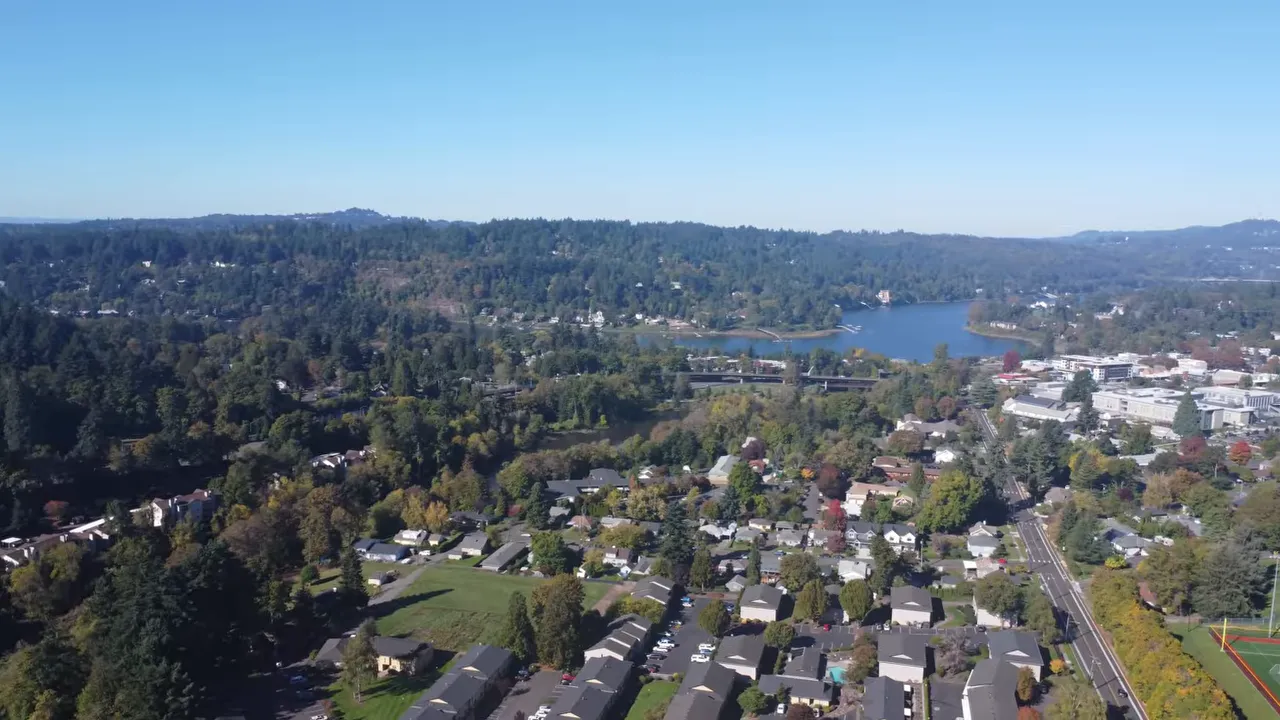
When most people talk about moving to Southeast Portland, they are usually picturing the inner section: roughly between the river and I-205, north of Powell Boulevard, and south of East Burnside. Neighborhoods such as Buckman, Hosford-Abernethy, Sunnyside, Richmond, and areas around Mount Tabor are central to that experience.
This section has the most concentrated mix of residential streets and commercial corridors. It is denser, busier, more active, and more walkable than much of the rest of Southeast Portland. We get the feeling of actually living in a city neighborhood while still being surrounded by houses, mature trees, and local parks.
Hawthorne, Division, Belmont, and Stark
The main corridors are a big reason inner Southeast Portland is so popular. Southeast Division offers block after block of restaurants, coffee shops, shopping, and places to spend time. Hawthorne is the original main drag for many people, running from around Southeast 12th toward Mount Tabor near 60th. Belmont, Stark, and East Burnside also add plenty of restaurants, businesses, and neighborhood activity.
For people moving to Southeast Portland specifically for an urban, walkable lifestyle, living close to one of these corridors can be a major priority. The tradeoff is that these areas are usually more active, more competitive, and more closely tied to the lifestyle people associate with Portland.
That does not mean every street needs to be directly on a commercial strip. In fact, many of the best setups are a few blocks away: close enough to walk to restaurants and coffee, but far enough away to have a quieter residential street at home.
South of Powell: Southeast Portland Neighborhoods
South of Powell Boulevard, Southeast Portland starts to change. Areas such as Foster-Powell, Creston-Kenilworth, Mount Scott, and Errol Heights can have homes that feel similar to what we find farther north, but they do not have the same commercial density right outside the front door.
This can create a real opportunity. We are not necessarily far from the inner Southeast Portland hotspots, but the immediate surroundings are quieter, more laid-back, and often more modest. There can also be more affordability because walkability to a major restaurant and shopping corridor drops off.
The important thing is to avoid assuming that nearby on a map means identical in lifestyle. A home south of Powell may still be close to Hawthorne or Division by car, but it will not necessarily have the same bustle, convenience, or neighborhood energy. For some people, that is a drawback. For others, it is exactly the point.
When moving to Southeast Portland, this area makes sense for anyone who wants East Side character and older housing but prefers a quieter home base over constant activity.
Sellwood-Moreland: Southeast Portland Living
Sellwood-Moreland stands out as one of the most distinctive places in Southeast Portland. Officially, the broader neighborhood is Sellwood-Moreland, with Westmoreland to the north and Sellwood farther south. In everyday conversation, many people simply call the entire area Sellwood.
The neighborhood has two primary commercial strips around Southeast Milwaukie Avenue and Southeast 13th and 17th. There are restaurants, local businesses, and enough going on to make the area feel convenient and lively, but the overall tone is more buttoned-up and laid-back than the inner Hawthorne or Division area.
Sellwood-Moreland is positioned near the river and Highway 99, creating excellent access to downtown, other parts of Southeast Portland, Milwaukie, Southwest Portland via the Sellwood Bridge, and Lake Oswego. It can feel a little like its own enclosed community rather than an extension of a continuous urban grid.
For families moving to Southeast Portland, Sellwood-Moreland is often especially appealing. We tend to see a more family-focused atmosphere, more kids out and about, and a slightly older demographic than in some of the more renter-heavy neighborhoods farther north.
Woodstock: Southeast Portland Neighborhood Guide
Woodstock is one of those neighborhoods that can fly under the radar because it sits farther east and south than many of the better-known inner Southeast Portland areas. But it deserves attention, especially if Hawthorne, Division, or Belmont feel too dense, too busy, too expensive, or too difficult to buy into.
Woodstock Boulevard has a good collection of restaurants, and the neighborhood includes Woodstock Park along with the newer food cart pod at The Heist. It has walkable amenities, but it feels more insulated than the busiest inner corridors.
For moving to Southeast Portland, Woodstock can be a practical middle ground. We still get the East Side neighborhood character and local businesses, while stepping back from the intensity of the core commercial districts.
East of I-205: Southeast Portland Living
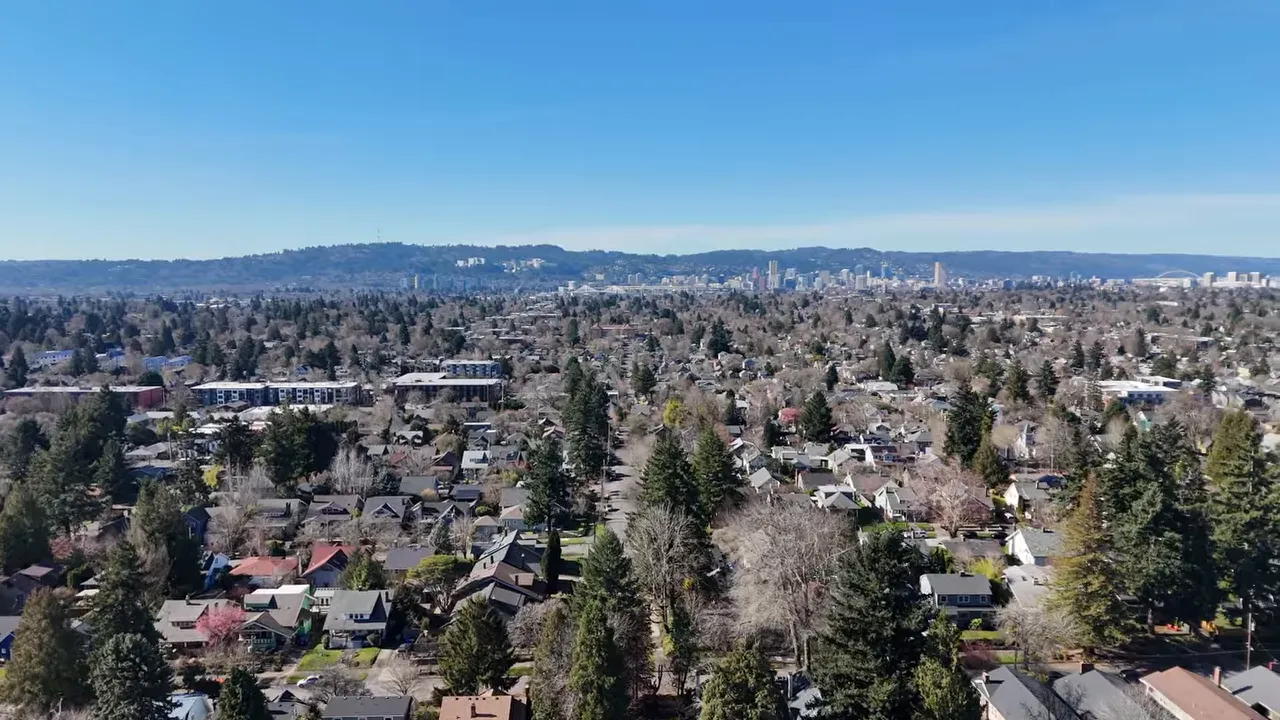
East of I-205, Southeast Portland starts to feel much more like East County and Gresham than inner Portland. That is not inherently good or bad. It is simply a different experience that deserves to be evaluated on its own terms.
The freeway creates a meaningful physical and psychological boundary. Neighborhoods east of I-205 are flatter, often less distinct from one another, and more suburban in feel. Some streets have sidewalks, while others do not. Some areas include scattered apartments, and in a few places we still see gravel roads. It is more of a mixed bag than the highly polished, uniform feel we might expect from the closer-in neighborhoods.
Housing is one of the biggest differences. Much of this area was built after World War II or in the mid-century era, so we see more ranches, split-level homes, and tri-levels. Basements are still common, but the homes are generally from a different era and have a different style than the older Craftsman, Tudor, and Portland four-square homes closer to the river.
There can be more affordability east of I-205, but we also need to consider the shift in school districts. While much of Portland is served by Portland Public Schools, this far east includes Parkrose and Centennial school districts. This is another reminder that moving to Southeast Portland is not one uniform choice.
Green Space and Mount Hood Access
One of the benefits of living farther east is outdoor access. Kelly Butte Natural Area offers trails and green space near I-205, while Powell Butte Nature Park provides a much larger natural area with elevation, open space, and expansive views.
From Powell Butte, we can see Mount Hood and, on clear days, other Cascade volcanoes. Living in this part of Southeast Portland also means easier access east toward Mount Hood. Rather than working through the entire city first, we can get onto Highway 26 and head toward Mount Hood villages, Timberline Lodge, or Mount Hood Meadows more directly.
Best Southeast Portland Neighborhoods for Homes
Several Southeast Portland neighborhoods stand apart because of architecture, street layout, privacy, and overall feel. These are some of the places that make moving to Southeast Portland compelling for buyers seeking something more distinctive.
Laurelhurst
Laurelhurst Park is in Southeast Portland, though much of the Laurelhurst neighborhood itself is technically in Northeast Portland. In practical terms, it blends naturally with the close-in Southeast Portland experience. It is one of Portland’s crown jewels for historic architecture, with Craftsman homes, Tudors, Cape Cods, and large Portland four-squares.
What makes Laurelhurst especially distinctive is the street pattern. While most of Portland follows a grid, Laurelhurst has curving, winding streets that create a more private, character-rich environment.
Mount Tabor
Mount Tabor offers something close to the best of both worlds. We can be near Hawthorne, Belmont, and Division, while living in an area that feels private, quiet, and more upscale. Around the foothills near Southeast 60th, the homes tend to be larger historic properties. Higher up, there are views and a one-of-a-kind relationship to Mount Tabor Park.
This is a particularly good fit for anyone who wants the core Southeast Portland lifestyle without feeling directly in the middle of the busiest corridors.
Eastmoreland
Eastmoreland has an insulated, upscale feel that is hard to replicate. Highway 99, the golf course, Reed College, César E. Chávez Boulevard, and Johnson Creek create natural boundaries around the neighborhood. Those edges help the area feel removed and private.
The streets are less rigid than the standard Portland grid, and the neighborhood has a luxury feel that makes it one of the most polished parts of Southeast Portland.
Ladd's Addition
Ladd's Addition is right in the middle of the action, between Hawthorne and Division and roughly 20 blocks from the river. Yet its diagonal street pattern, central circle, larger homes, and close-knit community create a calmer feeling than its location might suggest.
That combination is rare. We can walk a few blocks to Hawthorne or Division, then come home to a neighborhood that feels more tucked away and private.
Choosing Where to Live in Southeast Portland
The easiest way to narrow down moving to Southeast Portland is to begin with the lifestyle we want every day, not only the house we want. Here is the simple framework:
- Choose inner Southeast if walkability, restaurants, historic homes, culture, and a lively neighborhood setting are top priorities.
- Look south of Powell if we want similar housing character in a quieter, more modest, potentially more affordable setting.
- Consider Sellwood-Moreland if we want a self-contained, family-focused neighborhood with strong access around the metro.
- Explore Woodstock if we want local amenities and East Side character without the density of Hawthorne or Division.
- Head east of I-205 if affordability, mid-century homes, outdoor access, and proximity to Gresham or Mount Hood matter most.
- Focus on Laurelhurst, Mount Tabor, Eastmoreland, or Ladd's Addition if historic architecture, privacy, and a more distinctive neighborhood setting are priorities.
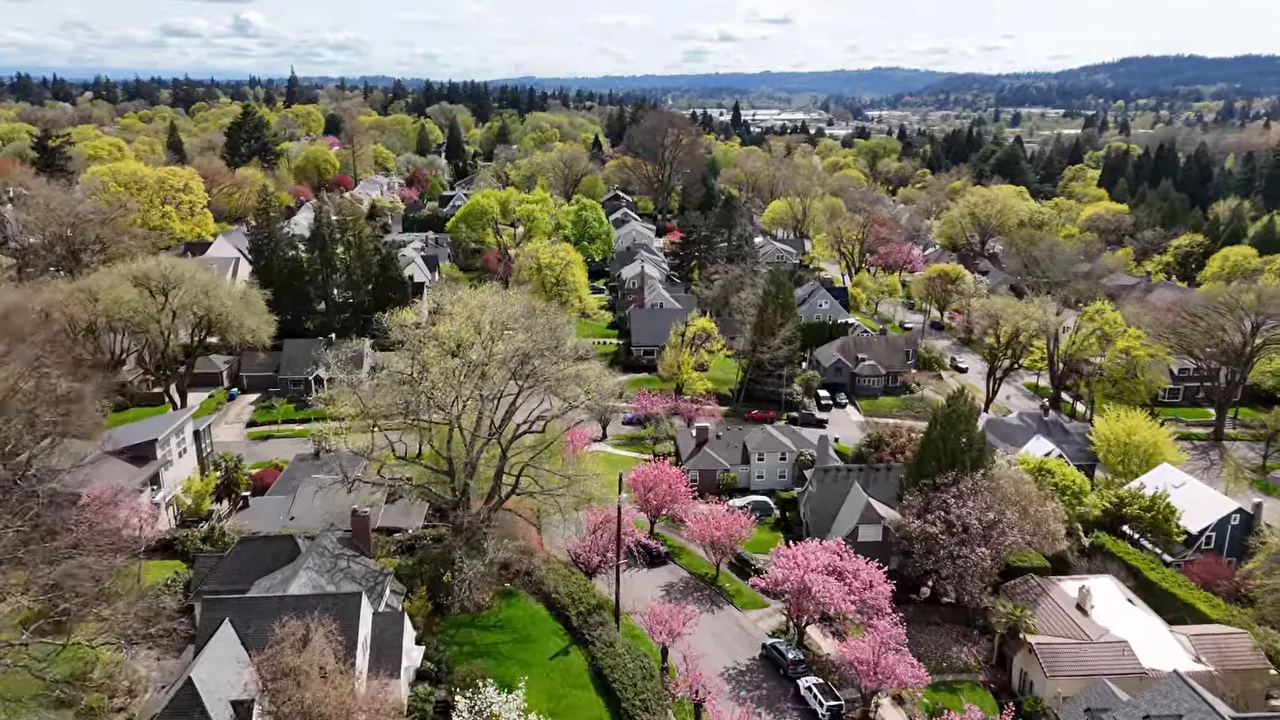
There is no single best answer. Southeast Portland is a collection of very different pockets, each with its own housing stock, level of activity, access to amenities, and sense of community. The more specifically we define what matters, the easier it becomes to focus the home search in the right places.
Frequently Asked Questions About Moving to Southeast Portland
What is the most walkable part of Southeast Portland?
The most walkable areas are generally in inner Southeast Portland near Hawthorne, Division, Belmont, Stark, and East Burnside. These corridors offer the highest concentration of restaurants, coffee shops, shopping, and neighborhood activity.
Is Southeast Portland good for families?
It can be an excellent fit, particularly in neighborhoods such as Sellwood-Moreland, Mount Tabor, Eastmoreland, and quieter areas south of Powell Boulevard. Sellwood-Moreland in particular has a more family-focused feel than some of the denser inner neighborhoods.
Is east of I-205 still considered Southeast Portland?
Yes, much of it is within Southeast Portland, but it has a noticeably different feel from the inner East Side. It is flatter, more suburban, more connected to Gresham, and known for mid-century home styles and relatively greater affordability.
What home styles are common in Southeast Portland?
Closer-in neighborhoods have many historic Craftsman homes, Tudors, Cape Cods, and Portland four-squares. Farther east, particularly beyond I-205, ranches, split-levels, and tri-level homes from the post-war and mid-century eras are more common.
Thinking about moving to Southeast Portland but not sure which neighborhood is the right fit for your lifestyle and budget? Call or text 503-925-5645 or book a FREE consultation here to get local guidance and start your home search with confidence.
READ MORE: Living in Milwaukie OR: Neighborhoods, Homes & Lifestyle